The phrase health gut might sound simple, yet it captures a powerful truth: when your digestive ecosystem thrives, your whole body gets stronger—more resilient muscles, steadier energy, calmer skin, and a clearer mind. Think of this inner world as a performance engine; nourish it and everything from recovery to focus improves. Ignore it and the engine sputters—fatigue creeps in, motivation dips, and training or daily effort feels heavier than it should. In this guide, we’ll unpack why a robust health gut framework is the hidden key to strength, how to build it without fads, and the tiny daily decisions that compound into big, load-bearing results.

Image: Wikimedia Commons (CC BY-SA 4.0)
Why “Health Gut” Drives Strength, Recovery, and Immunity
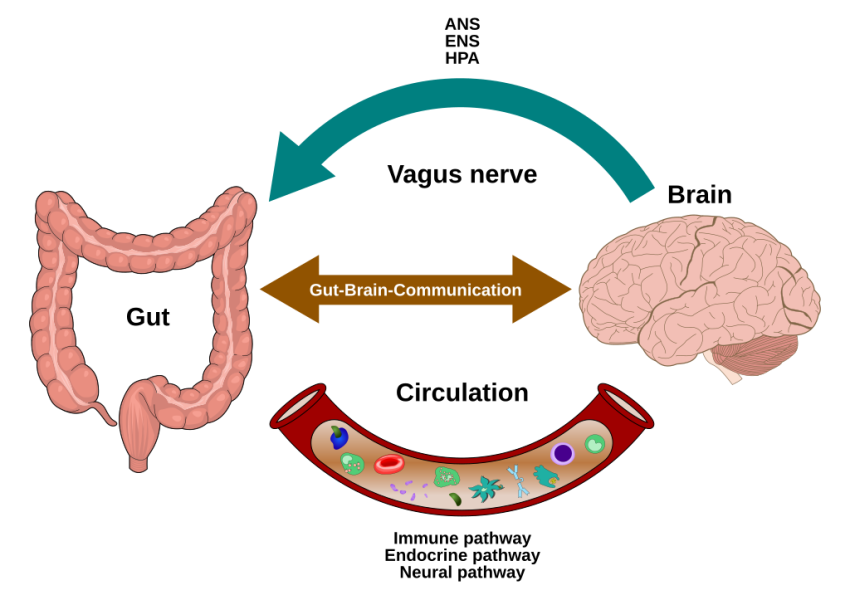
A thriving health gut ecosystem does far more than digest food. Trillions of microbes help extract amino acids from protein, craft vitamins, and produce short-chain fatty acids that support anti-inflammatory pathways—crucial for muscle recovery. Through the gut–brain and gut–immune axes, your microbiome influences motivation, pain perception, and readiness. When the microbiome loses diversity, low-grade inflammation rises, sleep quality drops, and training stimulus feels harder than it is. That’s why elite programs increasingly view health gut metrics as performance indicators, not just wellness trivia.
For accessible primers, see Johns Hopkins Medicine and overviews from Harvard Health. You don’t need a lab to start—your body rewards consistent choices that nurture microbial diversity and gut barrier integrity.
Signals Your Body Sends When the “Health Gut” Needs Help
Your body whispers before it shouts. If your health gut balance is off, everyday signals often appear:
- Frequent bloating or irregularity, especially after ultra-processed meals.
- Energy slumps mid-morning or mid-afternoon despite adequate calories.
- Unrefreshing sleep and inconsistent recovery after similar training loads.
- Skin flare-ups or nagging colds—subtle immune red flags.
None of these are destiny. They’re dashboards. Tuning your health gut with fiber diversity, fermented foods, and stress-aware eating can turn those “warning lights” off and restore smooth performance.
Build a Stronger Body With Food: Fiber, Ferments, and Polyphenols
Food is the most direct dial you can turn for a resilient health gut. The goal is diversity plus gentle consistency:
- Fiber spectrum: Combine oats, lentils, beans, chia, and leafy greens to feed many microbe families.
- Fermented additions: Yogurt/kefir, sauerkraut, kimchi, miso—small daily amounts support microbial turnover.
- Polyphenols: Berries, cocoa, extra-virgin olive oil, green tea help nudge harmful microbes down.
- Protein timing: Even distribution (e.g., 25–35g per meal) aids recovery without gut overload.

Image: Wikimedia Commons (CC BY-SA 2.0 KR, 국립국어원)
Aim for 25–35 different plant foods per week; herbs, spices, nuts, and seeds count. This simple cadence enriches your health gut diversity without rigid “diets.” Practical tip: build a rotating “10-pack” grocery list you love, then swap two items weekly to keep the microbiome learning.
Daily Practices That Stabilize the “Health Gut”
Nutrition is essential, but habits complete the puzzle. The following low-effort practices reinforce your health gut on busy days:
- Slow the first bites: Start meals with 3 deep breaths; chewing well primes enzymes and calms the vagus nerve.
- Sleep as a supplement: 7–9 hours protects microbial diversity and curbs stress-driven snacking.
- Move gently daily: Walks or yoga boost motility and mood, which feeds back into a steadier health gut.
- Hydration basics: Even mild dehydration thickens digestive transit—sip consistently, not just at meals.
When stress spikes, digestion downshifts. A 60-second breathing break before eating can be the smallest, most effective upgrade to your health gut routine.
Smart Supplement Strategy (Optional, Evidence-Aware)
Supplements can help, but they work best on top of food and habits. If you choose to experiment for health gut support, keep it simple and measurable:
- Probiotics: Try single-strain trials (4–6 weeks) and track outcomes (bloating, stool form, energy). Consumer guidance: NIH ODS.
- Prebiotic fibers: Inulin, GOS, or partially hydrolyzed guar gum—start low, go slow to avoid gas spikes.
- Polyphenol boosters: Green-tea extract or cocoa flavanols can complement a plant-forward plan.
Medical conditions or meds? Coordinate choices with a clinician. Clear overviews: Cleveland Clinic and current reviews via PubMed. An “evidence-aware but food-first” mindset keeps your health gut work both safe and sustainable.
Watch: Microbiome and Performance
Prefer a quick visual? The embed below offers a complementary perspective to this guide.
Final Thoughts
When you zoom out, the advantage of a well-tuned health gut becomes obvious: steadier energy curves, fewer inflammatory distractions, and a calmer nervous system that lets training and work land properly. You don’t need a complicated protocol—just consistent, delicious basics that your future self will thank you for.
Start with one change this week: add a fermented food you enjoy, expand your plant variety by three items, or take a 10-minute evening walk to ease digestion. Stack tiny wins and, over time, your health gut will transform from a background concern into a reliable engine for a stronger, brighter body.

Welcome to GutHealthFacts.com — a place where knowledge, science, and everyday habits meet. Your journey toward a stronger, healthier gut begins here, and we are honored to share it with you. Take your time, explore our articles, and discover how powerful your gut can be when you give it the care it deserves.