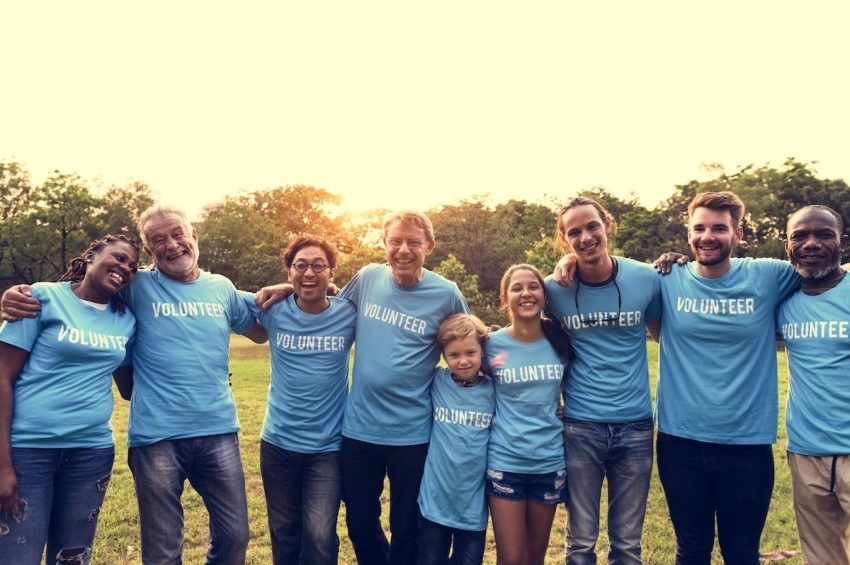
How does gut health really influence volunteerism and altruism in our lives? At first, the idea seems far-fetched. After all, what could the trillions of microbes living in your intestines have to do with acts of generosity? Yet science is increasingly clear: the gut and brain are deeply connected, and this relationship influences emotions, empathy, and social bonding.
Since kindness and giving behavior depend heavily on mood, stress regulation, and emotional stability, it makes sense that gut health could play a surprising role. From helping in local communities to supporting strangers, the way we give may actually begin in the gut.
The Gut-Brain Connection and Generous Behavior
Neurochemicals of Empathy
The gut produces key neurotransmitters—serotonin, dopamine, oxytocin—that shape trust and social bonding. This explains how gut balance may influence volunteerism and altruism in relationships. When you feel emotionally stable, laughter comes easier, trust builds faster, and helping others feels natural.
Stress and Altruism
Chronic stress often blocks generosity. But a healthy microbiome lowers cortisol, making people more compassionate under pressure. That’s why gut balance may influence volunteerism and altruism under stress, keeping the spark of kindness alive even in difficult times.
The Many Faces of Volunteerism and Altruism
Gut health doesn’t influence kindness in just one way. It shows up across multiple settings:
-
Influence volunteerism and altruism in communities – Balanced guts support empathy, motivating people to join local charity events or neighborhood projects.
-
Influence volunteerism and altruism in workplaces – Healthier employees often show more cooperation, patience, and willingness to help colleagues.
-
Influence volunteerism and altruism in education – Well-nourished children with stable microbiomes are more likely to share, support peers, and form strong bonds.
-
Influence volunteerism and altruism across cultures – Traditional diets rich in fermented foods might encourage generosity in collective rituals.
-
Influence volunteerism and altruism in aging – Seniors with better gut health often maintain a positive outlook, continuing to give and mentor with joy.
Communal Eating and Microbial Alignment
Humans have always built connections around food. Shared meals not only bring joy but also align microbiomes. This overlap can influence volunteerism and altruism in communities by increasing trust and empathy, making it easier for groups to act together.
Rituals of Food and Giving
From religious feasts to cultural celebrations, food is often linked with giving. It’s remarkable to see how these traditions reveal the link between diet, microbes, and generosity. In this way, gut-related practices can influence volunteerism and altruism in cultural rituals, strengthening the spirit of giving.
Altruism as Emotional Contagion
Why Generosity Spreads
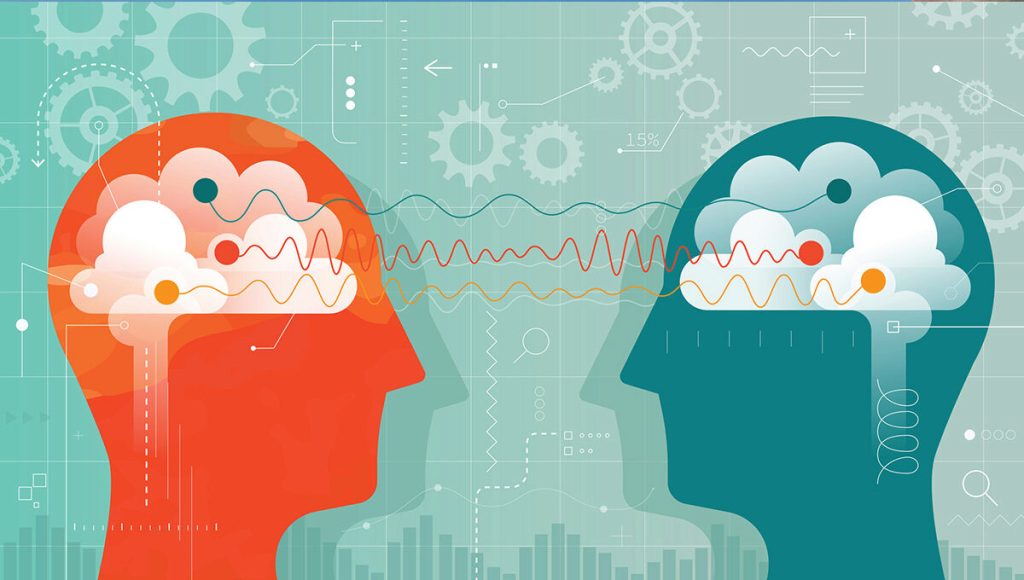
Just like laughter, kindness spreads in groups. A healthy gut regulates mood, making people more open to joining others in good deeds. This means gut balance may influence volunteerism and altruism in group settings, transforming small acts of kindness into larger social movements.
The Biological Basis of Empathy
It’s almost breathtaking to realize that empathy—a trait we often think of as purely moral—has biological roots. A diverse microbiome fuels emotional capacity, proving that altruism has both heart and gut origins.
Practical Implications
If gut health can influence how we give, there are lessons for daily life:
-
Eat fiber-rich meals to support microbial diversity and emotional stability.
-
Add fermented foods like kimchi or kefir to boost neurotransmitter production.
-
Stay hydrated to keep both body and mind clear.
-
Promote shared meals at work or in schools to foster cooperation.
-
Encourage community nutrition programs to strengthen both health and social bonds.
These small habits could influence volunteerism and altruism in workplaces, schools, and local communities, creating ripple effects of generosity.
Parallels Between Microbes and Human Generosity
The similarities are fascinating:
-
Balance matters – Just as microbial balance prevents illness, balanced emotions prevent selfishness.
-
Diversity builds strength – Microbiome diversity brings resilience, just as diverse communities thrive on cooperation.
-
Communication is essential – Microbes signal chemically, humans signal through kindness.
-
Spreading is natural – Good microbes multiply quickly; acts of altruism spread just as fast in societies.
It’s almost poetic—life repeats its patterns on every level.
Closing Thoughts: Generosity Begins Within
The next time you see a volunteer handing out food, or you yourself feel compelled to help a neighbor, remember: your gut may have had a role. Microbes are not just digesting lunch—they may be quietly encouraging empathy and generosity.
Gut health doesn’t just influence volunteerism and altruism in the abstract; it may shape how kindness flows through communities, families, workplaces, and entire cultures. And that realization is not only surprising—it’s profoundly hopeful.

Welcome to GutHealthFacts.com — a place where knowledge, science, and everyday habits meet. Your journey toward a stronger, healthier gut begins here, and we are honored to share it with you. Take your time, explore our articles, and discover how powerful your gut can be when you give it the care it deserves.