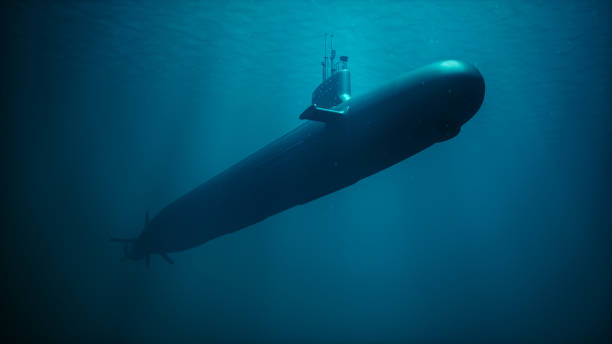
Life inside a submarine is unlike any other human experience. Submerged deep underwater, sailors and researchers must adapt to an isolated, pressurized, and highly controlled environment. This environment has direct consequences not only for mental health and performance but also for physical well-being. One area of health that is gaining attention is the gut ecosystem. Scientists are now studying how the unique living conditions in a submarine — including limited diet, artificial lighting, recycled air, and restricted movement — can reshape the microbiome.
Understanding the connection between submarine living and gut health is essential, especially as both military and scientific missions become longer and more demanding. In this article, we’ll explore how submarine environments alter gut ecosystems, the risks involved, and potential strategies to support microbiome stability.
Submarine Environments And Human Physiology
Isolation And Confinement
Living in a submarine involves long-term confinement. This isolation reduces exposure to natural bacteria from soil, plants, and diverse foods. Without these natural microbial inputs, gut diversity often decreases.
Controlled Atmosphere
Air inside a submarine is constantly recycled. While safe for breathing, it lacks the natural microbial particles that humans inhale daily on land. This sterile environment may weaken immune system signaling, closely tied to gut health.
Artificial Lighting And Circadian Rhythms
Submarines operate on strict schedules with artificial lighting. Disrupted circadian rhythms can affect digestion, gut motility, and microbial growth cycles. Research shows that poor light-dark cycles often lead to gut dysbiosis.
Diet Inside A Submarine
Diet is one of the most critical influences on gut ecosystems. Submarine crews typically consume preserved, frozen, or canned foods. Fresh fruits, vegetables, and fermented foods are limited. This lack of variety has several consequences:
-
Low Fiber Intake: Reduces production of short-chain fatty acids (SCFAs), crucial for gut lining integrity.
-
Minimal Probiotics: Few opportunities for naturally fermented foods, which support beneficial bacteria.
-
High Salt And Processed Foods: Can promote harmful bacterial strains while reducing microbial diversity.
Over time, this diet may lead to weakened gut resilience, making sailors more susceptible to digestive discomfort, inflammation, and nutrient absorption issues.
Psychological Stress And The Gut-Brain Axis
Life on a submarine is highly stressful. Crew members face confinement, strict hierarchies, and high-stakes missions. Chronic stress activates the hypothalamic-pituitary-adrenal (HPA) axis, releasing cortisol that negatively affects gut permeability.
Consequences of stress on the gut:
-
Increased intestinal permeability (“leaky gut”)
-
Reduced beneficial bacteria populations
-
Heightened risk of gastrointestinal disorders
The gut-brain axis plays a key role in mental health as well. Poor gut health may worsen anxiety, insomnia, or mood swings, creating a feedback loop that impacts performance.
Submarine Living And Microbiome Adaptation
Despite the risks, gut ecosystems are adaptable. Over time, microbial communities inside the body attempt to adjust to limited inputs. Some unique microbial patterns may even develop among submarine crews, forming a kind of “shared microbiome.”
Factors Influencing Adaptation
-
Uniform Diet – Leads to dominance of bacteria suited for starch and protein digestion.
-
Reduced External Microbes – Makes gut flora more dependent on internal stability.
-
Physical Inactivity – Slows gut motility, changing microbial fermentation rates.
Potential Long-Term Effects
-
Decreased microbial diversity
-
Higher inflammation markers
-
Risk of metabolic disorders
-
Lower resilience to infections upon resurfacing
Mitigating Gut Health Risks In Submarines
Researchers are exploring ways to protect gut ecosystems during submarine missions:
Dietary Solutions
-
Freeze-Dried Probiotics: Supplements can maintain balance.
-
Prebiotic Fibers: Inulin, PHGG, and resistant starch powders can feed good bacteria.
-
Fermented Alternatives: Shelf-stable kimchi or miso paste may serve as microbiome boosters.
Lifestyle Adjustments
-
Scheduled Light Therapy: Mimics day-night cycles to support circadian rhythms.
-
Exercise Protocols: Compact resistance training helps maintain gut motility.
-
Stress-Reduction Practices: Meditation and controlled breathing support the gut-brain axis.
Technological Innovations
-
Microbiome Monitoring: Portable sequencing kits could track crew microbiomes in real-time.
-
Personalized Nutrition Plans: AI-driven food allocation may optimize gut-friendly diets.
Lessons From Submarine Living For Future Space Missions
Interestingly, studying the effects of submarine living on gut health has implications beyond the ocean. Space missions share similar constraints: isolation, artificial environments, and restricted diets. Understanding submarine microbiomes could help design better strategies for astronauts on long-duration spaceflights.
Conclusion
Living in a submarine challenges the human body in ways most environments never will. From limited diets to disrupted circadian rhythms, the gut ecosystem is under constant pressure. Reduced microbial diversity, digestive discomfort, and stress-induced imbalances are common risks for submarine crews.
Yet, with targeted dietary strategies, stress management, and innovative microbiome monitoring, it is possible to maintain gut resilience even in such extreme conditions. As humanity pushes boundaries — whether underwater or in space — protecting gut ecosystems will remain central to sustaining long-term health and performance.

Welcome to GutHealthFacts.com — a place where knowledge, science, and everyday habits meet. Your journey toward a stronger, healthier gut begins here, and we are honored to share it with you. Take your time, explore our articles, and discover how powerful your gut can be when you give it the care it deserves.

