
Type 2 diabetes and gut microbiome health are more connected than most people realize. When you think of diabetes, you probably picture sugar, insulin, and lifestyle habits like diet and exercise. But recent research is shedding light on a lesser-known factor: your gut bacteria.
The gut microbiome—made up of trillions of microbes living in your intestines—does more than aid digestion. It plays a key role in regulating metabolism, inflammation, and insulin sensitivity. An imbalanced microbiome doesn’t just upset your stomach—it can also contribute to blood sugar spikes, insulin resistance, and chronic inflammation.
In this article, we’ll explore how type 2 diabetes and the gut microbiome are linked, what science says about it, and how you can improve both using simple, gut-friendly habits.
What Is the Gut Microbiome?
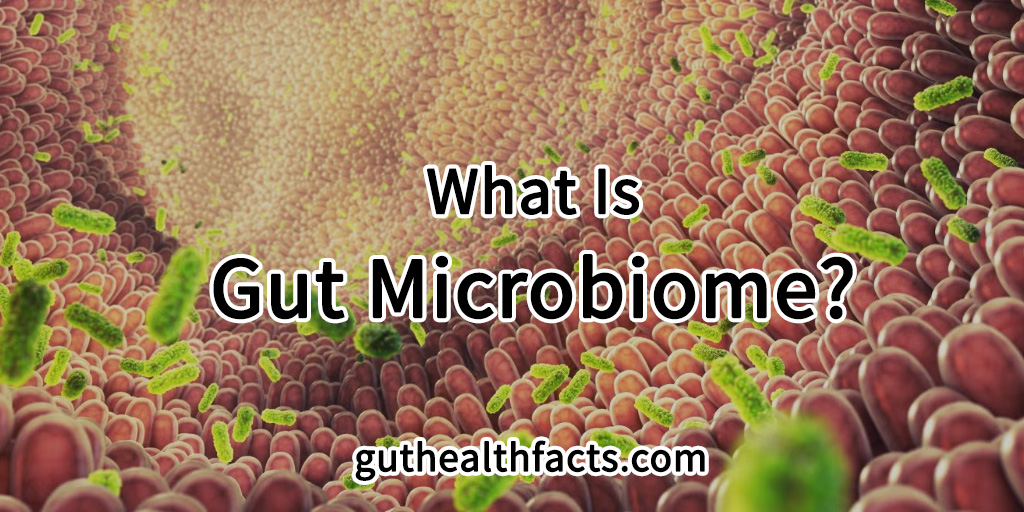
Your gut microbiome is a vast ecosystem of bacteria, viruses, fungi, and other microorganisms that live in your digestive tract—mostly in your colon.
These microbes help with:
-
Breaking down fiber
-
Producing vitamins (like B12 and K)
-
Supporting immune function
-
Regulating metabolism
-
Communicating with your brain via the gut-brain axis
When balanced, your microbiome works quietly behind the scenes. But when disrupted—due to poor diet, antibiotics, stress, or lack of movement—it can negatively affect your body in surprising ways, including blood sugar regulation.
How the Gut Microbiome Influences Type 2 Diabetes
Here’s where it gets interesting: people with type 2 diabetes tend to have lower microbial diversity and an overgrowth of harmful bacteria.
Key ways your gut microbiome affects blood sugar and insulin:
-
Insulin Sensitivity: Certain bacteria improve how your cells respond to insulin.
-
Inflammation: An unhealthy gut can leak toxins (like LPS) into your bloodstream, causing low-grade inflammation that worsens insulin resistance.
-
Short-Chain Fatty Acids (SCFAs): Beneficial bacteria produce SCFAs that help regulate glucose and reduce inflammation.
-
Energy Harvesting: Some microbes extract more energy from food, contributing to weight gain and blood sugar imbalances.
-
Appetite Regulation: Your gut bacteria can influence cravings and how full you feel after meals.
Research Spotlight: Type 2 Diabetes and Gut Microbiome
Studies consistently show differences in the gut bacteria of people with type 2 diabetes compared to healthy individuals.
Common findings:
-
Reduced levels of butyrate-producing bacteria like Faecalibacterium prausnitzii
-
Increased levels of pro-inflammatory bacteria like Bacteroides
-
Lower microbial diversity overall
These changes are often referred to as gut dysbiosis, and they create a perfect storm for metabolic dysfunction.
7 Gut-Friendly Habits to Improve Type 2 Diabetes Naturally
The good news? You can reshape your gut microbiome through daily habits. Here are seven science-backed ways to support gut health and blood sugar balance:
1. Eat More Fiber
Soluble fiber feeds beneficial gut bacteria and slows the absorption of sugar into your bloodstream.
-
Best sources: oats, beans, lentils, flaxseeds, apples, and chia seeds
2. Add Fermented Foods
Fermented foods contain natural probiotics that restore microbial diversity.
-
Try: yogurt (unsweetened), kefir, kimchi, sauerkraut, miso, and tempeh
3. Avoid Ultra-Processed Foods
Packaged snacks, refined sugars, and additives can harm gut bacteria and increase inflammation.
-
Focus on whole, nutrient-dense meals instead.
4. Take Prebiotics
Prebiotics are fibers that feed good bacteria.
-
Foods rich in prebiotics: garlic, onions, leeks, asparagus, bananas (slightly green), and chicory root
5. Consider Probiotic Supplements
High-quality probiotic strains like Lactobacillus rhamnosus and Bifidobacterium lactis may support insulin sensitivity.
-
Choose multi-strain, high-CFU (colony-forming unit) formulas.
6. Get Moving Daily
Moderate exercise improves microbial diversity and boosts insulin sensitivity.
-
Even a 30-minute walk after meals can make a noticeable difference.
7. Reduce Chronic Stress
Stress disrupts the gut-brain axis and alters the gut microbiome.
-
Try mindfulness, deep breathing, nature walks, or short meditations daily.
Warning Signs of Poor Gut Health in Diabetes
Not sure if your gut is struggling? Here are some red flags:
-
Frequent bloating or gas
-
Constipation or diarrhea
-
Brain fog or low energy
-
Sugar cravings
-
Difficulty losing weight
-
Skin issues or chronic inflammation
These signs may suggest gut dysbiosis and may be worth discussing with your healthcare provider.
Should You Test Your Gut Microbiome?
Microbiome testing kits are now available to help you understand your gut composition. While not essential, they can provide useful insights, especially if you’re managing type 2 diabetes and gut microbiome balance is a concern.
Look for companies that offer:
-
Detailed breakdowns of gut bacteria
-
Dietary recommendations based on your results
-
Clear data on microbial diversity and inflammation markers
The Gut-Focused Approach to Managing Type 2 Diabetes
Traditional approaches to managing type 2 diabetes focus heavily on carbs, medications, and glucose monitoring. But addressing the gut adds another layer of control—and potentially prevention.
A gut-focused diabetes plan includes:
-
A plant-rich, high-fiber diet
-
Minimal processed food intake
-
Daily movement
-
Probiotic and prebiotic intake
-
Managing stress and sleep hygiene
This is not a quick fix, but it’s a long-term strategy that targets the root of metabolic issues.
Conclusion: Heal Your Gut, Help Your Blood Sugar
The connection between type 2 diabetes and gut microbiome health is no longer just a theory—it’s backed by science. A thriving, balanced gut helps regulate blood sugar, reduce inflammation, and improve how your body uses insulin.
You don’t need radical changes to get started. Small steps—like eating more fiber, adding fermented foods, and walking daily—can reshape your microbiome and shift your health in the right direction.
It’s time we stop treating type 2 diabetes in isolation. Your gut is part of the equation—don’t ignore it.

Welcome to GutHealthFacts.com — a place where knowledge, science, and everyday habits meet. Your journey toward a stronger, healthier gut begins here, and we are honored to share it with you. Take your time, explore our articles, and discover how powerful your gut can be when you give it the care it deserves.


