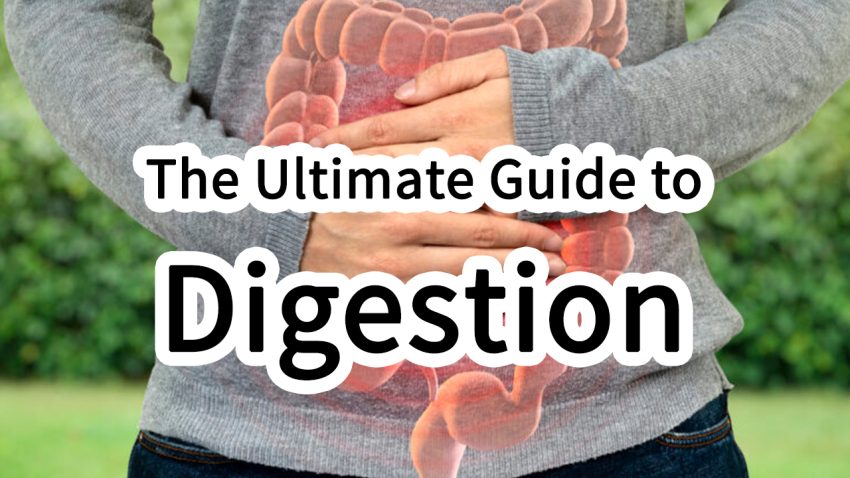
Digestion is one of the most fundamental processes in human biology, yet it is often misunderstood or oversimplified. At its core, digestion refers to the way our bodies break down food into nutrients that can be absorbed and used for energy, growth, repair, and overall survival. Without efficient digestion, even the healthiest foods would remain unusable, and the body would struggle to maintain balance. To truly appreciate the importance of digestion, it is necessary to look at the entire system—its organs, enzymes, phases, and the intricate connections with other aspects of health.
This article, structured into 35 detailed headings, is designed to serve as an authoritative guide on digestion. It explores not only the definition and meaning of digestion but also its functions, stages, and the science behind how it works. From the moment food enters the mouth to its final passage through the large intestine, every step has a unique role. Each section highlights a different component—such as the stomach, pancreas, or gut microbiota—while explaining their contribution to the overall digestive process.
The digestive system is far more than a mechanical pipeline. It is a complex network involving chemical reactions, microbial partnerships, and even signals from the brain. Recent research has revealed that digestion influences not only metabolism but also immunity, mood, and long-term well-being. Stress, sleep, hydration, and diet all play essential roles in how effectively our bodies digest and absorb nutrients.
By the end of this comprehensive guide, you will have a deep understanding of what digestion truly means, how it works, and why it is central to human health. Whether you are a student, a health enthusiast, or simply someone curious about how the body functions, these 35 structured explanations will provide a complete picture of digestion as both a biological necessity and a cornerstone of wellness.
1. What Is Digestion? A Complete Definition
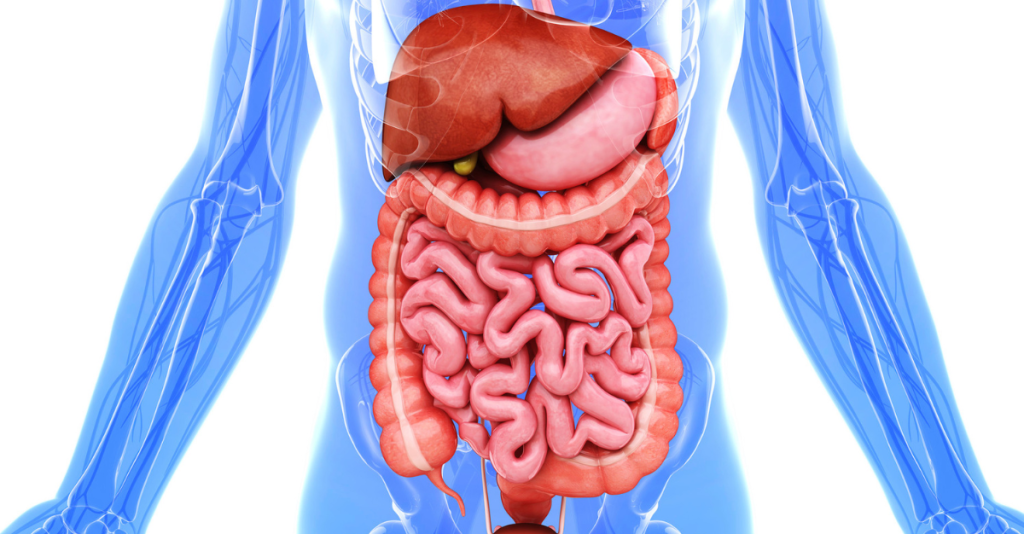
Digestion is the biological process through which the human body transforms food into smaller molecules that can be absorbed and utilized for energy, growth, and repair. It involves both mechanical and chemical actions, starting from chewing in the mouth and continuing through enzymatic breakdown and nutrient absorption in the intestines. In simple terms, digestion allows the body to convert complex carbohydrates, proteins, and fats into glucose, amino acids, and fatty acids—forms that cells can use. Without digestion, nutrients would remain locked inside food particles, unavailable to support life functions. It is not only about breaking food down but also about ensuring proper absorption and waste elimination, making digestion a cornerstone of health.
2. The Importance of Digestion for Human Health
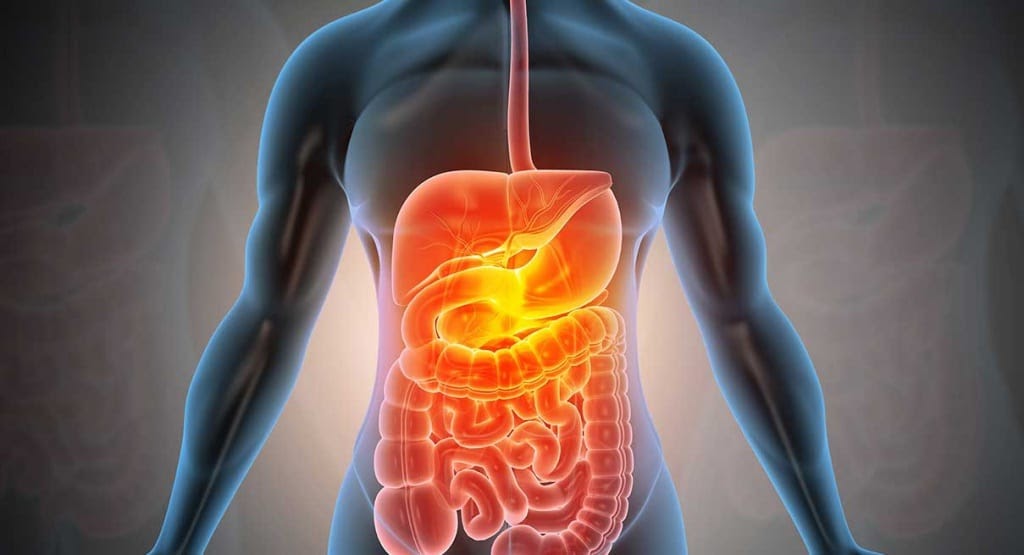
The importance of digestion extends far beyond simply breaking down food. Efficient digestion ensures that vitamins, minerals, and macronutrients are delivered to every cell of the body. A well-functioning digestive system strengthens immunity, regulates metabolism, and supports energy levels throughout the day. Poor digestion, on the other hand, can lead to nutrient deficiencies, fatigue, and chronic illnesses. Emerging research also shows that the digestive process influences brain health and emotional balance through the gut-brain axis. This means that healthy digestion is directly connected to mood, cognition, and even sleep quality. In short, without proper digestion, overall wellness cannot be achieved.
3. The Main Functions of the Digestive System
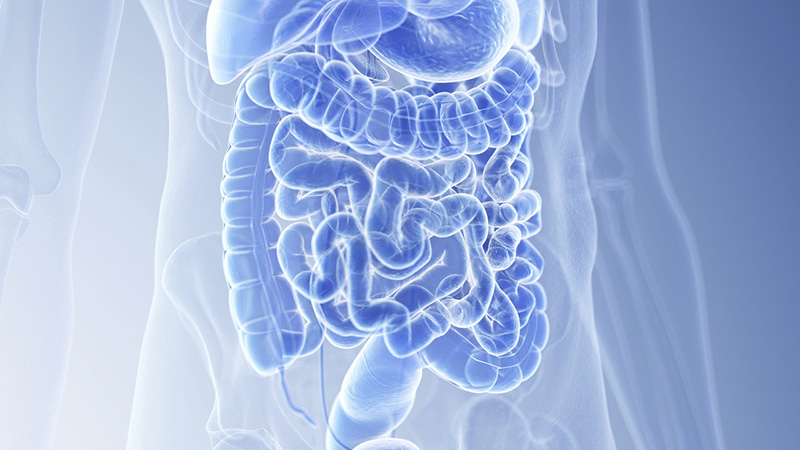
The digestive system has four primary functions: ingestion, breakdown, absorption, and elimination. First, it allows food and liquids to enter the body. Second, it uses mechanical actions like chewing and chemical actions like enzymes and acids to break nutrients into smaller pieces. Third, it absorbs useful nutrients into the bloodstream through the intestines, distributing them throughout the body. Finally, it eliminates undigested food and waste products. Beyond these core tasks, the digestive system also houses beneficial bacteria that play key roles in nutrient synthesis, immune regulation, and toxin breakdown. Its functions extend far beyond digestion alone, integrating with nearly every system in the body.
4. The Role of Enzymes in Digestion
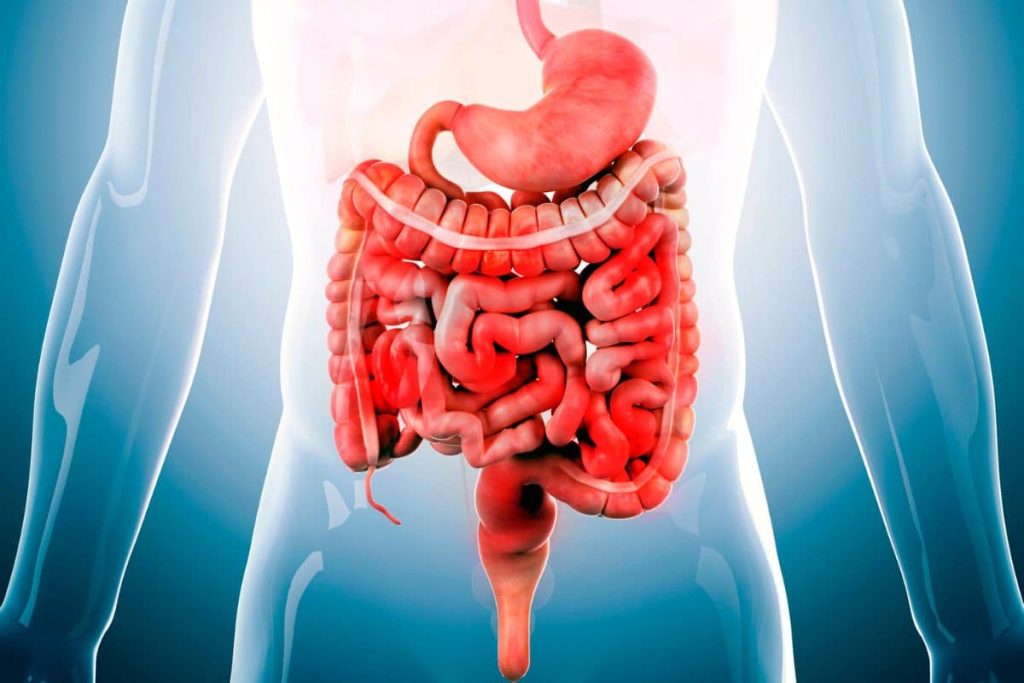
Enzymes are specialized proteins that speed up the chemical reactions necessary for digestion. Each type of enzyme targets a specific nutrient: amylases break down carbohydrates, proteases digest proteins, and lipases handle fats. Without enzymes, digestion would be too slow and inefficient for survival. Most enzymes are produced by the salivary glands, stomach, pancreas, and small intestine, working in coordination to ensure complete breakdown of food. For example, pancreatic enzymes are essential for nutrient absorption in the small intestine. Deficiency in digestive enzymes often leads to bloating, indigestion, or malabsorption. Thus, enzymes act as invisible workers making digestion effective and life-sustaining.
5. How Digestion Begins in the Mouth
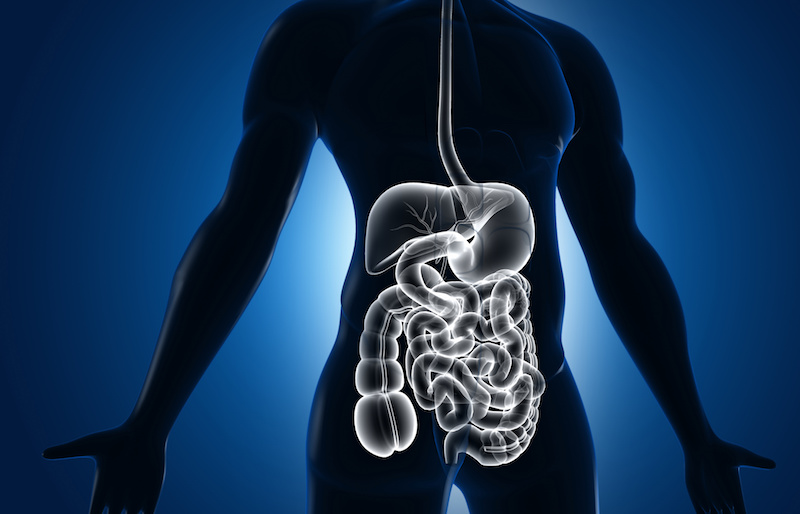
Digestion begins not in the stomach but in the mouth. Chewing mechanically breaks food into smaller pieces, increasing surface area for enzymes to act. Saliva, produced by salivary glands, contains amylase, which begins the breakdown of starches into simpler sugars. This early stage of digestion also mixes food with mucus, making it easier to swallow. Importantly, chewing signals the stomach and pancreas to prepare digestive juices, highlighting how interconnected the entire system is. Skipping proper chewing or eating too quickly reduces efficiency in later stages of digestion. Therefore, mindful eating and proper mastication are crucial for a healthy digestive process.
6. The Function of Saliva in the Digestive Process
Saliva is more than just a fluid that keeps the mouth moist—it plays a crucial role in the very first stage of digestion. Produced by the salivary glands, it contains enzymes like salivary amylase that begin breaking down complex carbohydrates into simpler sugars. Saliva also lubricates food, forming a soft mass called the bolus, which makes swallowing safer and easier. Additionally, it contains antibacterial compounds that protect the mouth and throat from pathogens. By moistening food and initiating chemical breakdown, saliva ensures that digestion starts efficiently. Without it, the stomach and intestines would face unnecessary strain in processing food.
7. Swallowing and the Esophagus: Moving Food to the Stomach
Once food has been chewed and mixed with saliva, the process of swallowing transports it into the esophagus. Swallowing is a highly coordinated action involving the tongue, pharynx, and muscles of the throat. The esophagus itself does not digest food but uses rhythmic contractions known as peristalsis to push the bolus downward toward the stomach. At the lower end, a muscular ring called the lower esophageal sphincter prevents stomach acid from flowing back upward, protecting the throat from damage. This smooth transfer highlights the efficiency of the digestive system in moving food seamlessly from one stage to the next.
8. The Role of the Stomach in Breaking Down Food
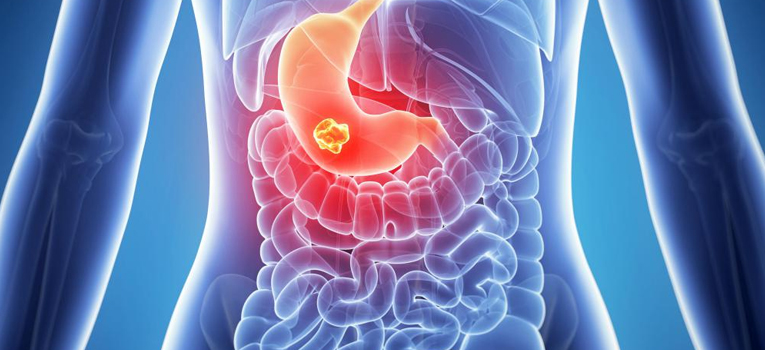
The stomach is a muscular organ that acts as both a storage chamber and a mixing vat for food. Once the bolus arrives, it is churned mechanically and mixed with gastric juices that contain hydrochloric acid and digestive enzymes like pepsin. These chemicals break down proteins into smaller peptides while killing harmful bacteria. The stomach also regulates the release of partially digested food—called chyme—into the small intestine at a controlled pace. This ensures the next phase of digestion occurs efficiently. Without the stomach’s powerful acids and muscular contractions, protein digestion and microbial protection would be severely compromised.
9. Hydrochloric Acid and Its Function in Digestion
Hydrochloric acid (HCl) is one of the most important substances in the digestive process. Secreted by the stomach’s parietal cells, it creates an acidic environment with a pH between 1.5 and 3.5. This acidity not only activates enzymes like pepsin but also denatures proteins, unfolding them so they can be broken down more easily. HCl also acts as a defense mechanism, killing many harmful microbes that enter with food. While essential, imbalances in stomach acid—whether too low or too high—can cause problems such as indigestion, acid reflux, or nutrient malabsorption. Thus, hydrochloric acid is both a digestive tool and a protective shield.
10. The Importance of Digestive Juices
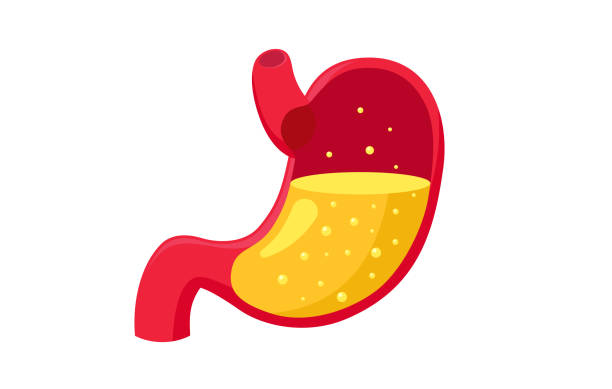
Digestive juices are secretions produced by various organs that work together to break down food into absorbable nutrients. These include saliva from the mouth, gastric juices from the stomach, bile from the liver, and enzyme-rich fluids from the pancreas and small intestine. Each juice contains specific components—enzymes, acids, or bile salts—that target particular nutrients like carbohydrates, fats, or proteins. Together, they ensure the complete transformation of food into forms usable by the body. An insufficiency in any of these secretions can lead to digestive problems, nutrient deficiencies, and discomfort. Digestive juices are therefore indispensable to human survival and well-being.
11. The Small Intestine: The Center of Nutrient Absorption
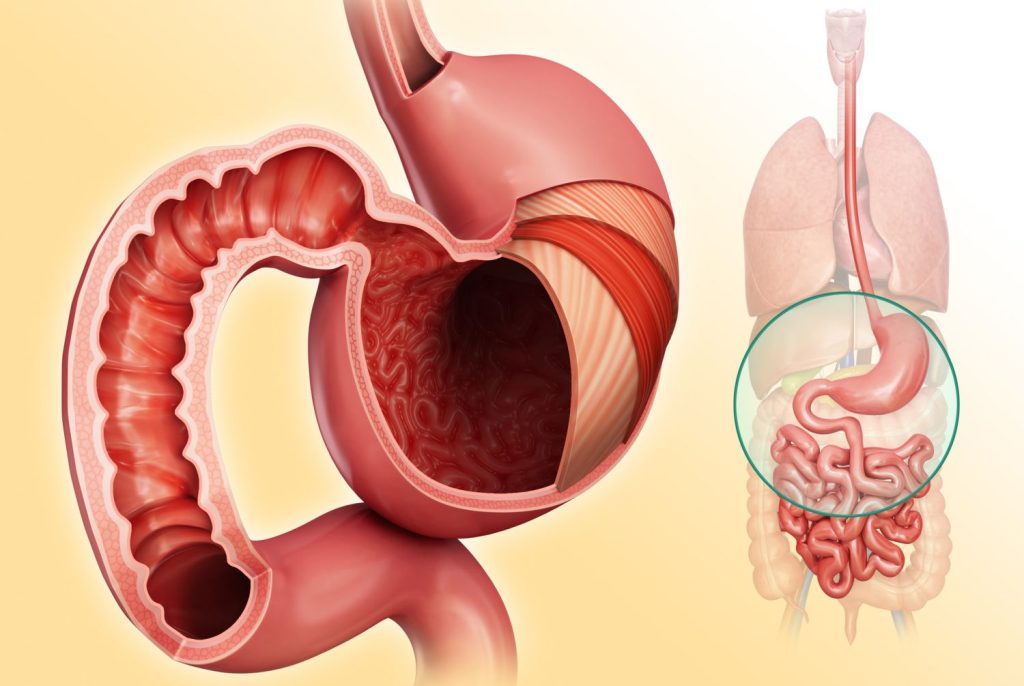
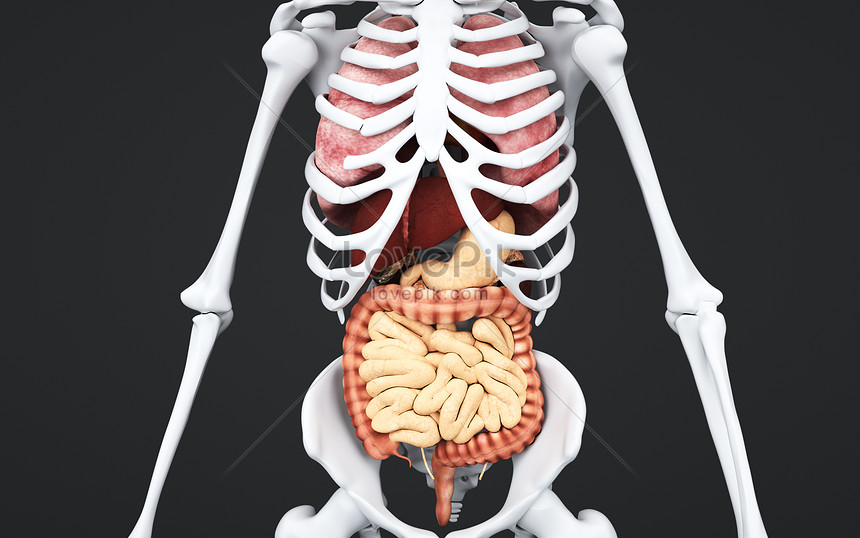
The small intestine is the most critical organ for nutrient absorption. Measuring about six meters in length, it is divided into three sections: the duodenum, jejunum, and ileum. Here, digestive enzymes from the pancreas and bile from the liver mix with chyme, breaking down carbohydrates, proteins, and fats into absorbable molecules. The inner lining is covered with tiny finger-like projections called villi and microvilli, which dramatically increase surface area, ensuring efficient nutrient uptake into the bloodstream. Without the small intestine’s specialized design, the body would fail to extract essential vitamins, minerals, and macronutrients from food, making life unsustainable.
12. The Role of the Pancreas in Digestion
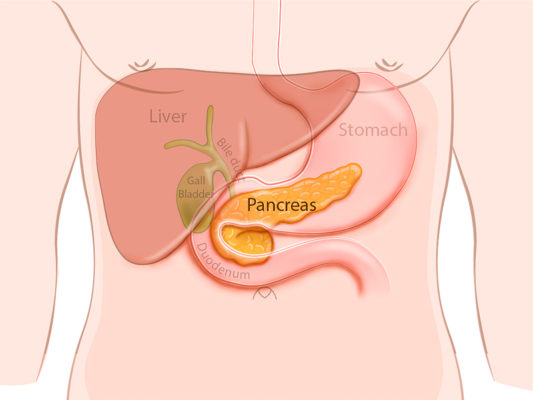
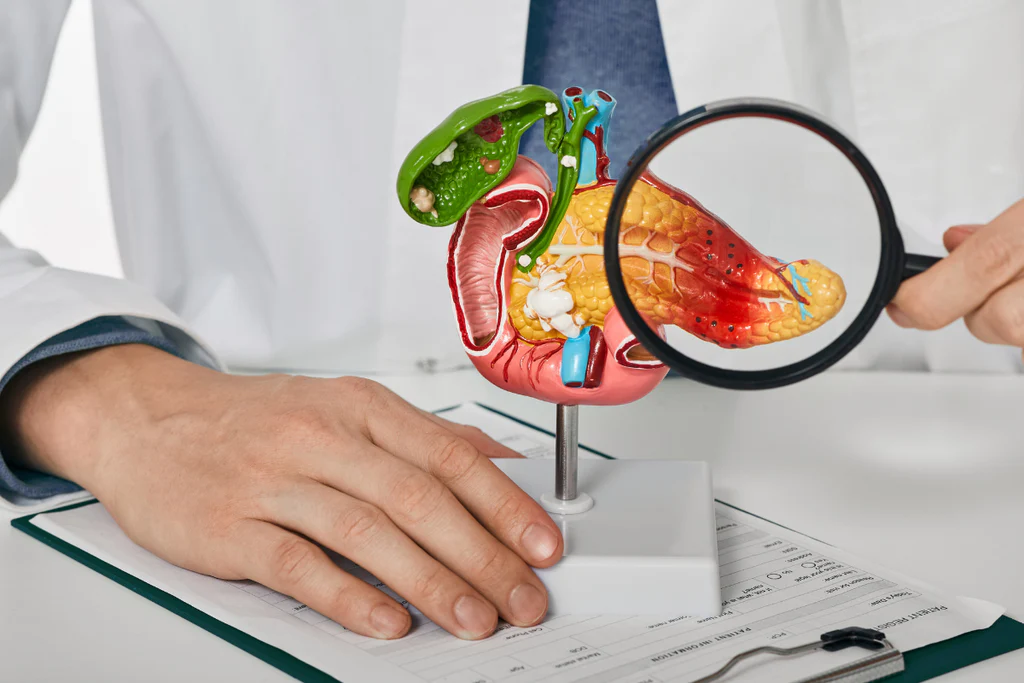
The pancreas is a vital gland that plays both digestive and hormonal roles. For digestion, it produces pancreatic juice containing powerful enzymes: amylase for carbohydrates, proteases for proteins, and lipase for fats. These enzymes are secreted into the small intestine, where they continue breaking food into absorbable units. Additionally, the pancreas releases bicarbonate, which neutralizes the acidic chyme from the stomach, creating an optimal environment for enzyme activity. Without proper pancreatic function, nutrient absorption would be severely impaired. Conditions like pancreatitis or enzyme insufficiency highlight just how essential this organ is to the entire digestive process.
13. The Role of the Liver in Digestion
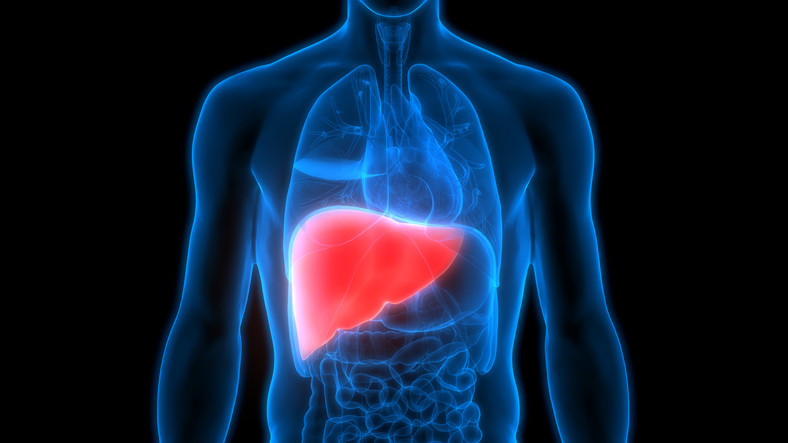
The liver is the largest internal organ and a central player in digestion. It produces bile, a fluid that helps emulsify fats, breaking them into smaller droplets that are easier to digest. Beyond bile production, the liver processes nutrients absorbed from the small intestine, converting them into forms usable for energy, storage, or detoxification. It also filters harmful substances and metabolizes drugs, reducing stress on the body. Because of its multifunctional role, the liver is not only part of digestion but also a guardian of overall health. A healthy liver ensures that digestion and metabolism work in harmony.
14. The Gallbladder and Its Function in Fat Digestion
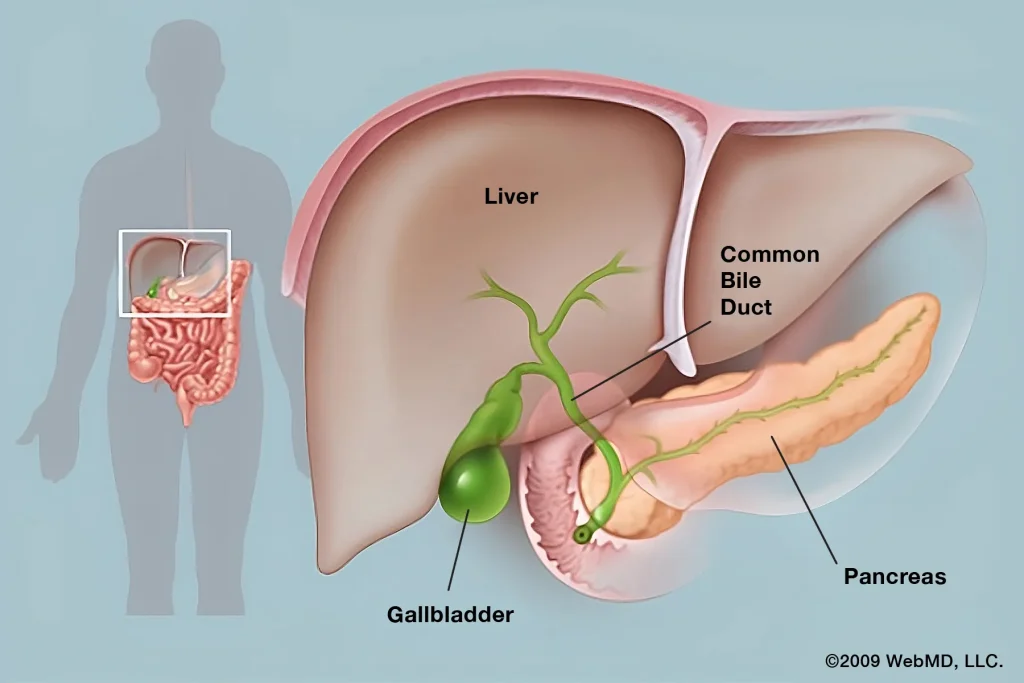
The gallbladder is a small, pear-shaped organ located beneath the liver. Its primary function is to store and release bile into the small intestine when fatty foods are consumed. Bile acts like a detergent, breaking large fat molecules into smaller droplets, making it easier for pancreatic lipase to complete fat digestion. Without the gallbladder, fat digestion can still occur but becomes less efficient, often leading to bloating or discomfort after fatty meals. While not essential for survival, the gallbladder provides convenience and regulation, ensuring fats are digested smoothly and nutrients like omega-3s and fat-soluble vitamins are absorbed effectively.
15. The Large Intestine and Water Absorption
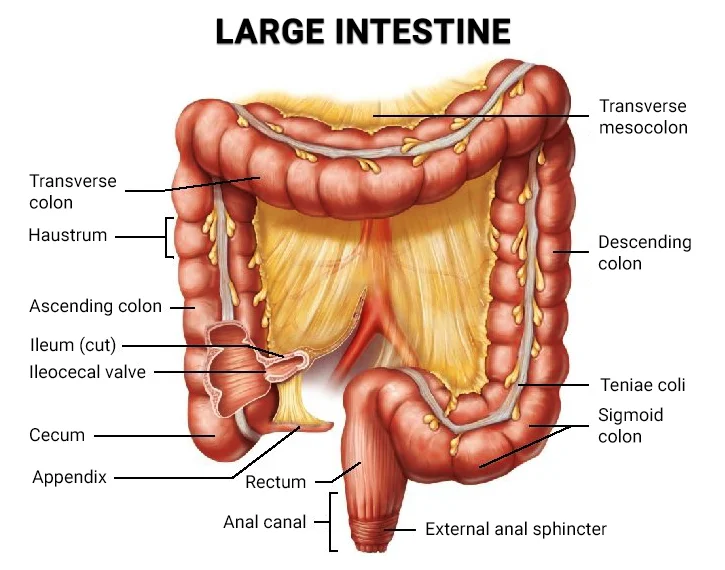
The large intestine, or colon, is the final stage of the digestive tract. Unlike the small intestine, its primary role is not nutrient absorption but water and electrolyte recovery. As chyme passes through, it is gradually transformed into solid waste. The colon also houses trillions of gut bacteria that ferment undigested fibers, producing short-chain fatty acids vital for colon health and immune function. Proper water absorption prevents dehydration and maintains stool consistency. When the large intestine malfunctions, issues like diarrhea or constipation arise. Thus, the colon plays a key role in fluid balance and gut ecosystem maintenance.
16. The Role of Gut Microbiota in Digestion
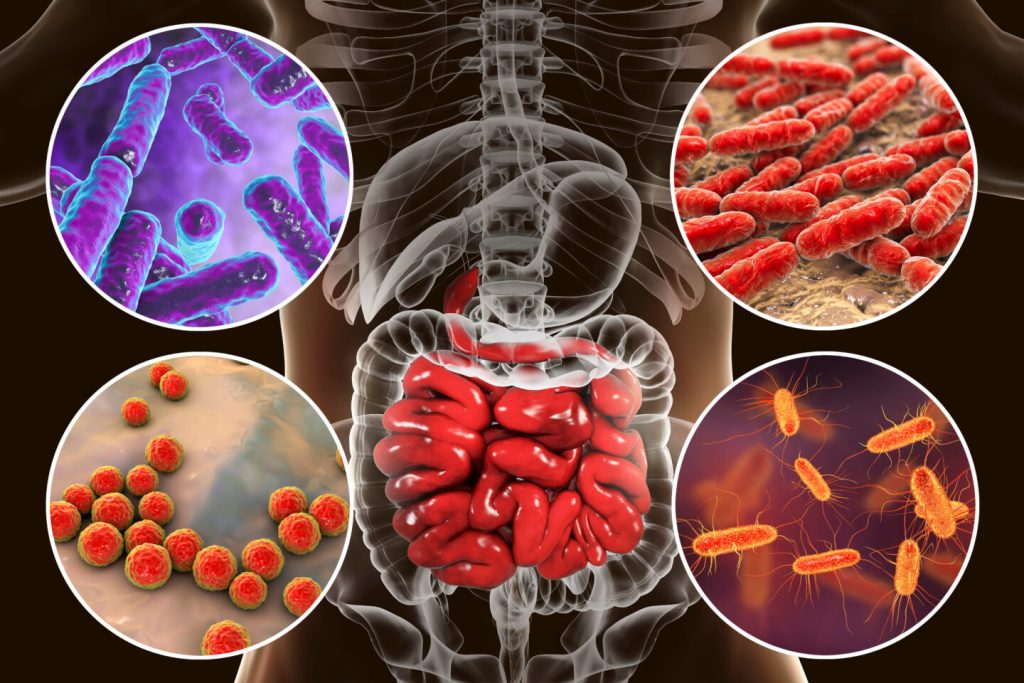
The gut microbiota refers to the trillions of microorganisms living in the digestive tract, primarily in the large intestine. These microbes play a critical role in breaking down complex carbohydrates and fibers that human enzymes cannot digest. They produce short-chain fatty acids like butyrate, which fuel colon cells and support a healthy gut lining. Additionally, microbiota synthesize certain vitamins, regulate immune responses, and protect against harmful bacteria. An imbalanced microbiome, often caused by poor diet or antibiotics, can lead to digestive discomfort, inflammation, and chronic disease. Maintaining a diverse microbiota is essential for optimal digestion and overall well-being.
17. The Gut-Brain Connection and Its Impact on Digestion
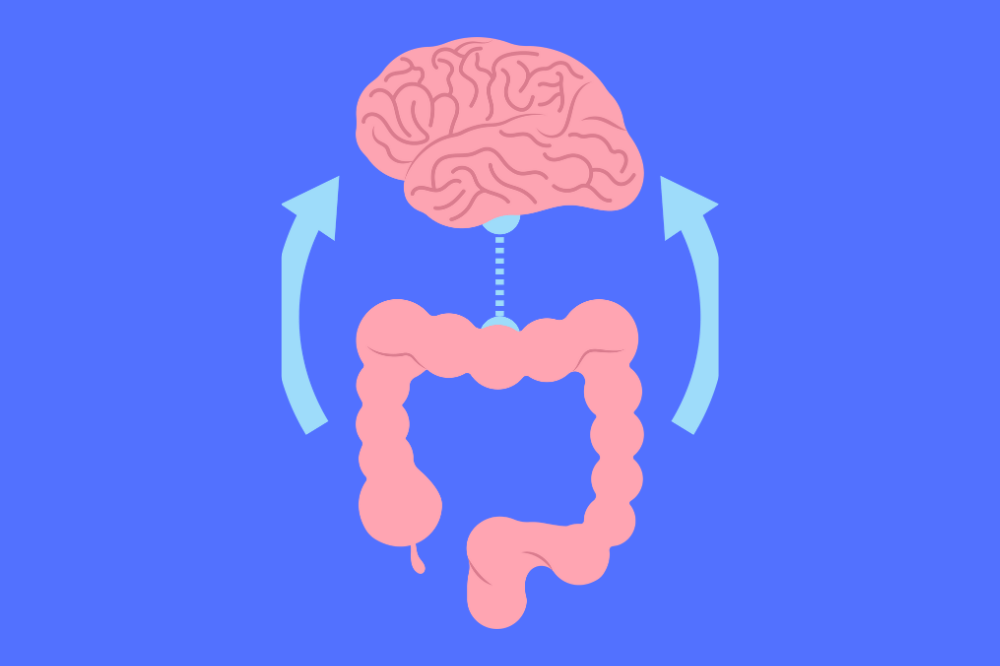
The digestive system and the brain are closely linked through the gut-brain axis. This bidirectional communication occurs via the vagus nerve, hormones, and neurotransmitters produced in the gut. Stress, anxiety, or depression can disrupt digestion, leading to symptoms like bloating, cramping, or altered bowel habits. Conversely, poor gut health can negatively influence mood and cognitive function. About 90% of serotonin, the “feel-good” neurotransmitter, is produced in the gut. This connection highlights digestion as more than just a physical process—it’s also emotional and psychological. Caring for gut health therefore means supporting mental balance as well.
18. Mechanical vs Chemical Digestion
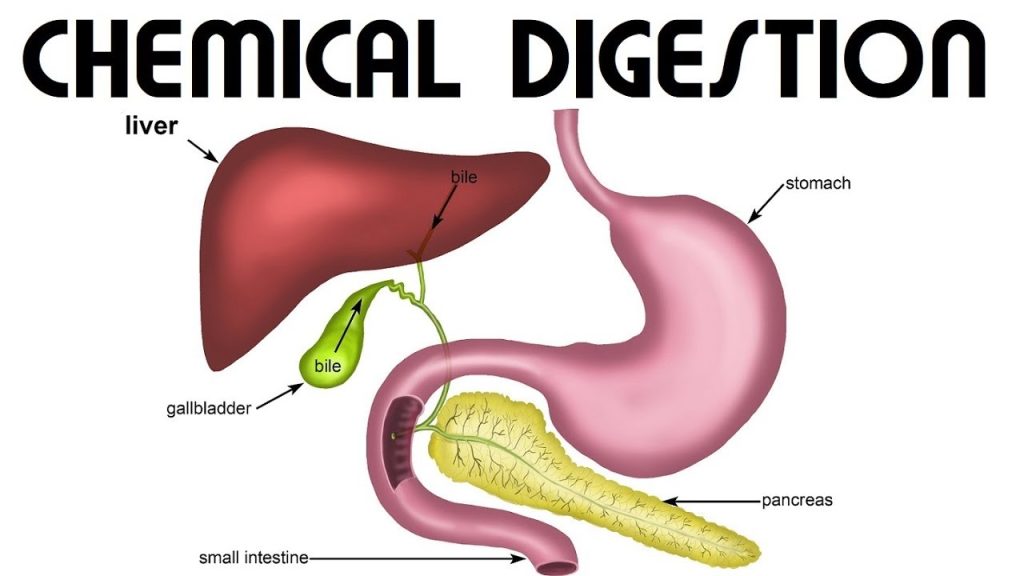
Digestion can be divided into two main categories: mechanical and chemical. Mechanical digestion involves the physical breakdown of food into smaller pieces, starting with chewing in the mouth and churning in the stomach. Chemical digestion, on the other hand, uses enzymes, acids, and bile to break food down into molecular components. Both processes are interdependent—without mechanical breakdown, enzymes would struggle to act efficiently; without chemical action, nutrients could not be absorbed. This dual approach ensures that food is fully processed for the body’s needs. Together, mechanical and chemical digestion form a seamless system that maximizes nutrient extraction.
19. The Phases of Digestion: Cephalic, Gastric, and Intestinal
Digestion unfolds in three distinct but overlapping phases. The cephalic phase begins even before food enters the mouth—thoughts, smells, and sights of food stimulate saliva and gastric secretions. The gastric phase starts once food reaches the stomach, where acids and enzymes actively break down proteins. Finally, the intestinal phase occurs as chyme enters the small intestine, triggering bile and pancreatic enzyme release for nutrient absorption. Each phase is carefully regulated by hormones and neural signals. Any disruption in one stage can impair the whole process, showing how digestion depends on precise coordination across multiple systems.
20. How Carbohydrates Are Digested
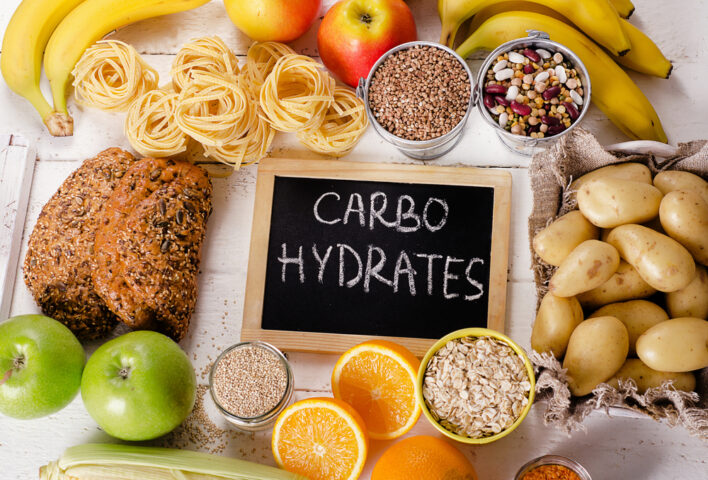
Carbohydrate digestion begins in the mouth with salivary amylase, which breaks down starch into maltose. In the small intestine, pancreatic amylase continues this process, producing simple sugars like glucose. These sugars are absorbed through the intestinal lining into the bloodstream, providing a quick and essential source of energy. Complex carbohydrates rich in fiber resist full digestion, but gut bacteria ferment them into short-chain fatty acids, which benefit colon health. Without efficient carbohydrate digestion, energy levels decline, and nutrient absorption is compromised. Thus, carbohydrates are not just fuel but also key players in gut health through their interaction with microbiota.
21. How Proteins Are Digested
Protein digestion begins in the stomach, where pepsin—activated by hydrochloric acid—breaks proteins into smaller chains called peptides. In the small intestine, enzymes like trypsin and chymotrypsin from the pancreas further split these peptides into amino acids. These amino acids are then absorbed into the bloodstream and used to build and repair tissues, hormones, and enzymes. Without efficient protein digestion, the body cannot maintain muscle strength, immune function, or proper cell repair. Incomplete digestion may lead to bloating, nutrient deficiencies, and even weakened immunity.
22. How Fats Are Digested
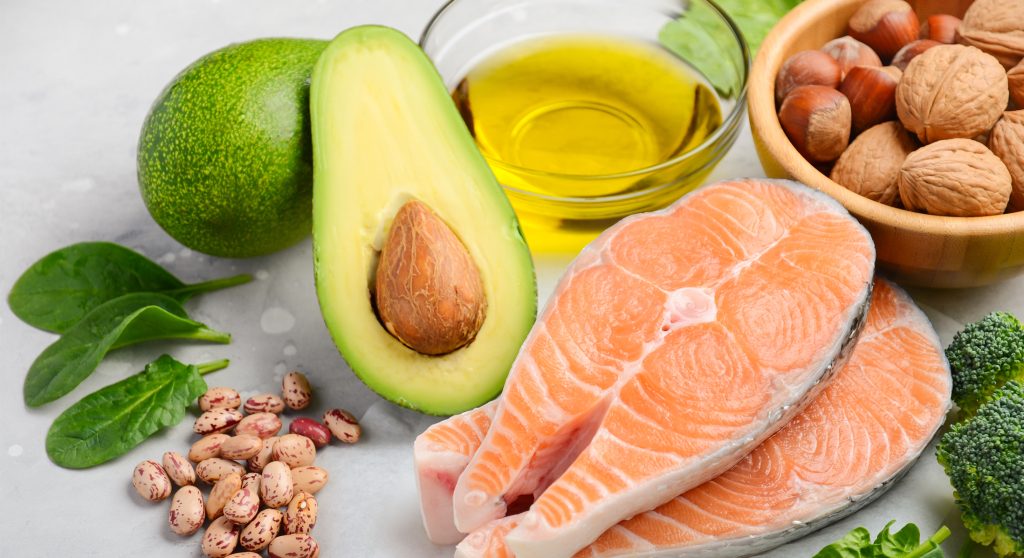
Fat digestion requires a cooperative effort from multiple organs. The liver produces bile, stored in the gallbladder, which emulsifies large fat droplets into smaller ones. This allows pancreatic lipase to break fats into glycerol and fatty acids. These molecules are absorbed through the intestinal wall and packaged into chylomicrons for transport via the lymphatic system. Fats are essential for absorbing fat-soluble vitamins (A, D, E, K). Poor fat digestion often causes greasy stools, nutrient deficiencies, and digestive discomfort.
23. How Vitamins and Minerals Are Absorbed
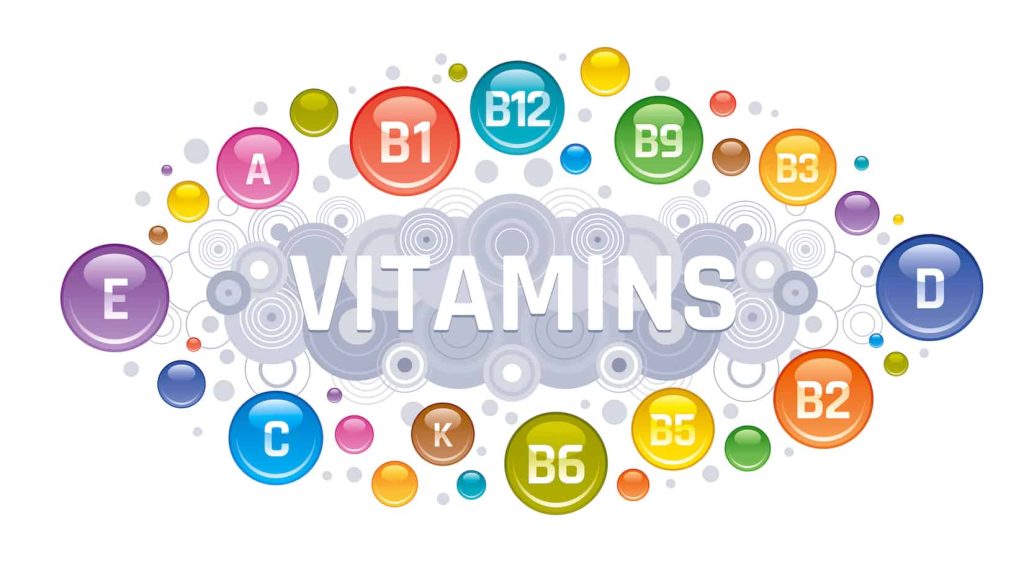
Unlike proteins, carbs, and fats, vitamins and minerals don’t need to be broken down—they are absorbed directly. Water-soluble vitamins (C and B-complex) dissolve easily and enter the bloodstream quickly. Fat-soluble vitamins (A, D, E, K) require dietary fat and bile for absorption. Minerals like calcium, magnesium, and iron rely on stomach acid or specific transporters in the small intestine. Absorption efficiency depends on overall gut health. Poor absorption can result in long-term deficiencies affecting bones, blood, and immunity.
24. The Role of Fiber in Digestion
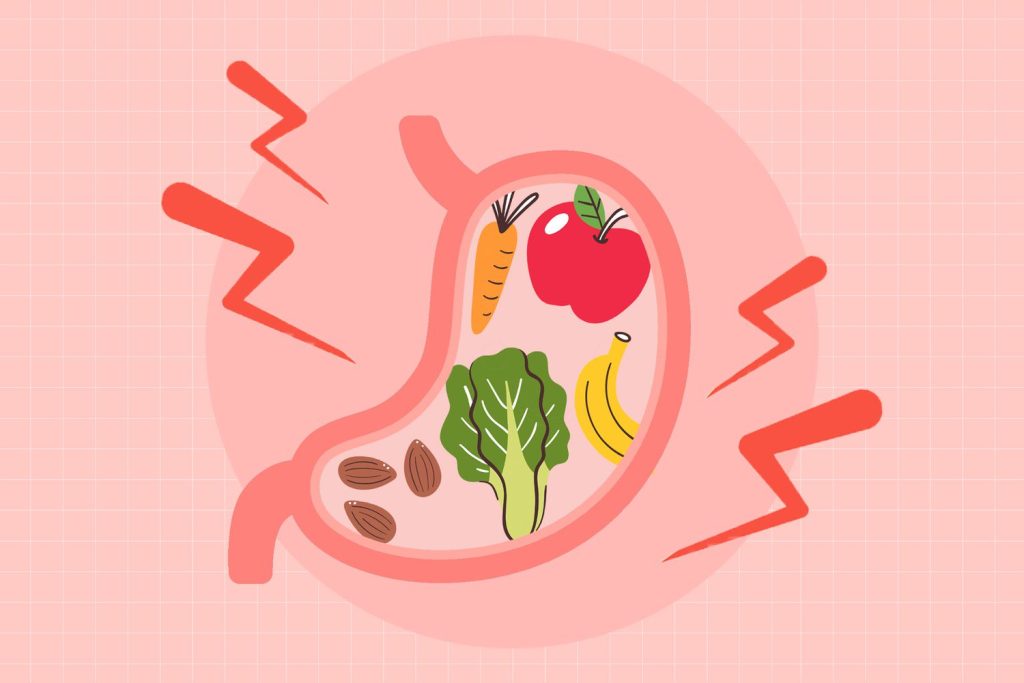
Dietary fiber is not digested by human enzymes, but it plays an essential role in gut health. Soluble fiber forms gels in the intestine, slowing glucose absorption and feeding gut microbiota. Insoluble fiber adds bulk to stool, preventing constipation and supporting regular bowel movements. When fermented, fiber produces short-chain fatty acids like butyrate, which strengthen the gut lining and reduce inflammation. A diet low in fiber is linked to constipation, gut dysbiosis, and chronic illness. Thus, fiber acts as both a digestive aid and a protector of the microbiome.
25. Common Digestive Problems and Disorders
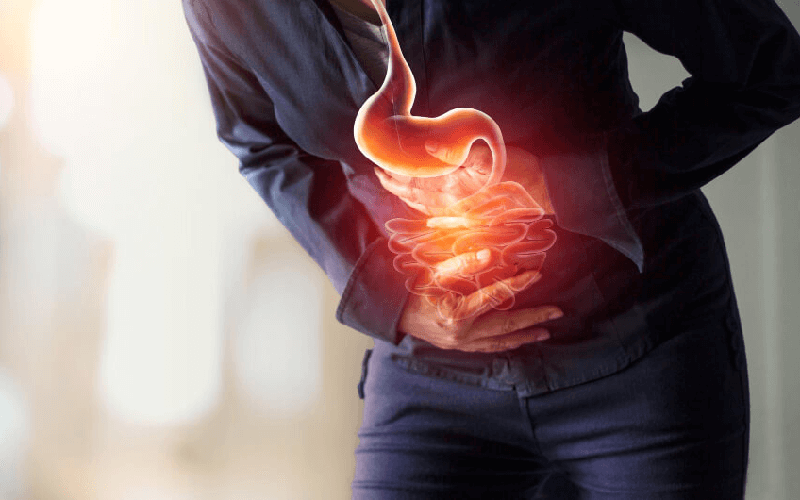
The digestive system is prone to multiple issues, ranging from mild discomfort to chronic disease. Common problems include indigestion, acid reflux, bloating, constipation, diarrhea, irritable bowel syndrome (IBS), and ulcers. Many of these conditions are linked to diet, stress, or microbial imbalances. More serious disorders include Crohn’s disease, celiac disease, and colon cancer. Recognizing symptoms early and addressing lifestyle factors like diet, hydration, stress management, and fiber intake can prevent complications. Understanding these disorders is vital for protecting digestive and overall health.
26. Indigestion: Causes and Symptoms
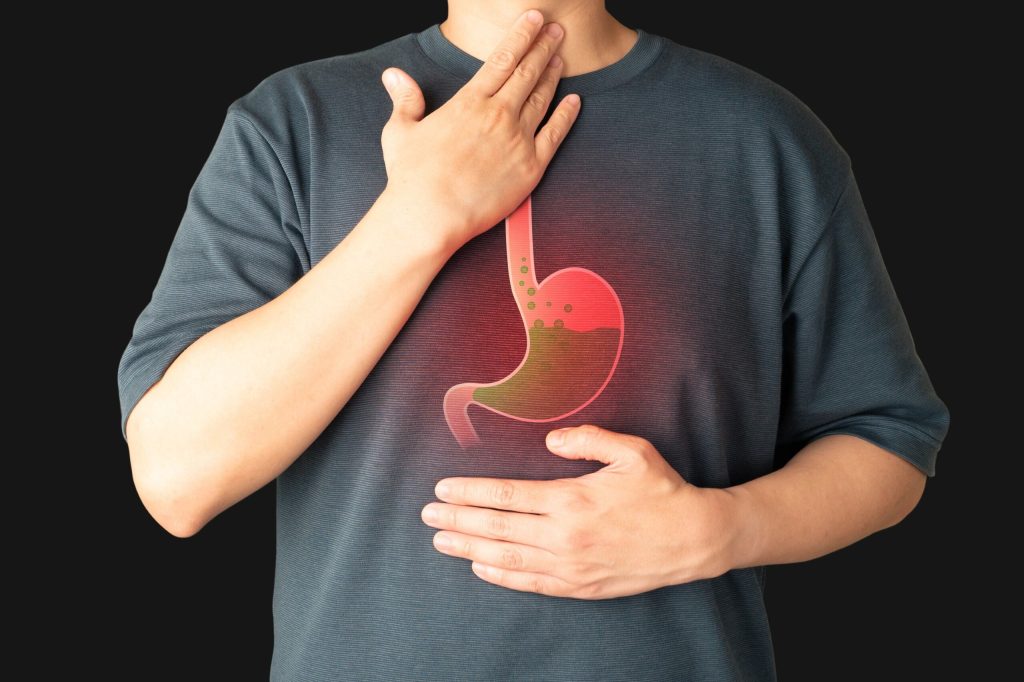
Indigestion, also known as dyspepsia, is a common digestive complaint. It usually involves upper abdominal discomfort, bloating, nausea, or a burning sensation after meals. The most common causes include overeating, high-fat meals, stress, and acid reflux. Sometimes indigestion can be triggered by alcohol, caffeine, or certain medications. While occasional indigestion is harmless, frequent episodes may indicate underlying issues such as ulcers or gallbladder disease. Managing lifestyle factors, eating smaller meals, and avoiding trigger foods can significantly reduce symptoms.
27. The Relationship Between Digestion and Metabolism
Digestion and metabolism are closely linked processes. Digestion breaks food into nutrients, while metabolism uses those nutrients for energy production, growth, and repair. For example, glucose from carbohydrate digestion fuels cellular respiration, and amino acids from protein digestion build enzymes and muscles. If digestion is inefficient, metabolism lacks the necessary raw materials, leading to fatigue, weight fluctuations, or nutrient deficiencies. Conversely, a healthy digestive system ensures metabolism operates efficiently, supporting energy balance and long-term health.
28. How Stress Affects Digestion

Chronic stress disrupts the gut-brain axis, altering the way the digestive system functions. Stress hormones like cortisol can reduce blood flow to the gut, slow down digestion, and weaken the gut barrier. This often leads to bloating, cramping, diarrhea, or constipation. Stress can also trigger or worsen conditions like IBS and acid reflux. On the flip side, digestive discomfort itself can increase stress, creating a vicious cycle. Practices such as mindful eating, deep breathing, meditation, and regular exercise can restore balance and improve both digestion and emotional well-being.
29. The Impact of Sleep on Digestive Health

Good sleep is vital for digestion, as the body uses rest periods to repair tissues and regulate hormones. Poor sleep quality can disrupt the secretion of digestive enzymes, alter gut motility, and even affect the balance of the gut microbiota. Studies show that chronic sleep deprivation is linked to acid reflux, IBS, obesity, and weakened immunity. On the other hand, regular and sufficient sleep promotes smoother digestion and nutrient absorption. Establishing healthy sleep hygiene—such as avoiding heavy meals before bed—supports both digestive function and overall health.
30. The Role of Hydration in Digestion

Proper hydration is essential for nearly every stage of digestion. Water helps break down food in the stomach, dissolves nutrients for absorption, and softens stool in the large intestine to prevent constipation. Dehydration slows gut motility, leading to bloating, hard stools, and discomfort. Drinking enough fluids also supports the production of saliva, gastric juices, and bile, all of which are necessary for efficient digestion. While water is the best choice, herbal teas, soups, and water-rich fruits can also contribute to hydration. Maintaining fluid balance ensures a healthy, well-functioning digestive system.
31. Foods That Support Healthy Digestion
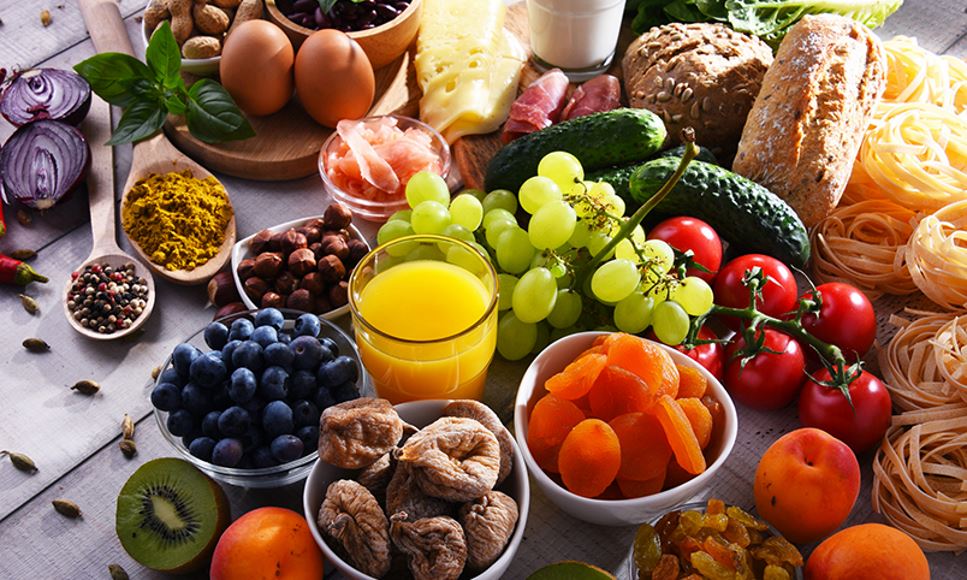
Certain foods naturally enhance the digestive process. Probiotic-rich foods like yogurt, kefir, and sauerkraut introduce beneficial bacteria into the gut. High-fiber foods such as whole grains, fruits, and vegetables keep bowel movements regular and feed gut microbiota. Healthy fats from avocados, olive oil, and nuts improve nutrient absorption, while ginger and peppermint soothe indigestion. On the other hand, avoiding processed foods and excess sugar helps prevent gut dysbiosis. A balanced, whole-food diet is one of the most effective ways to maintain strong digestion.
32. Lifestyle Habits That Improve Digestion

Beyond diet, lifestyle habits play a major role in digestion. Eating slowly and practicing mindful eating reduce overeating and aid enzyme efficiency. Regular physical activity stimulates gut motility, preventing constipation. Stress management techniques like yoga, meditation, and deep breathing strengthen the gut-brain connection. Adequate sleep allows the digestive system to repair and reset. Even small daily habits, such as staying hydrated and chewing food thoroughly, can make a significant difference. These practices create a long-term foundation for digestive health.
33. The Impact of Antibiotics on Digestive Health
While antibiotics are life-saving medications, they can disrupt the gut microbiome by killing not only harmful bacteria but also beneficial species. This imbalance often leads to diarrhea, bloating, and weakened immunity. Long-term or repeated antibiotic use may even contribute to chronic gut issues. To counteract these effects, many experts recommend consuming probiotics and prebiotic-rich foods during and after antibiotic treatment. Restoring microbial diversity is essential for bringing digestion back into balance. Responsible antibiotic use and gut-friendly nutrition help minimize negative side effects.
34. Natural Remedies to Support Digestion

Traditional and modern practices offer numerous natural remedies for better digestion. Herbal teas such as chamomile, peppermint, and fennel reduce bloating and cramping. Spices like turmeric and ginger provide anti-inflammatory benefits and stimulate digestive juices. Aloe vera juice soothes the gut lining, while apple cider vinegar may improve stomach acidity for nutrient absorption. Fermented foods are another cornerstone of natural digestive support. While these remedies are not substitutes for medical treatment, they serve as gentle, supportive tools for maintaining daily gut comfort and balance.
35. The Future of Digestive Health Research
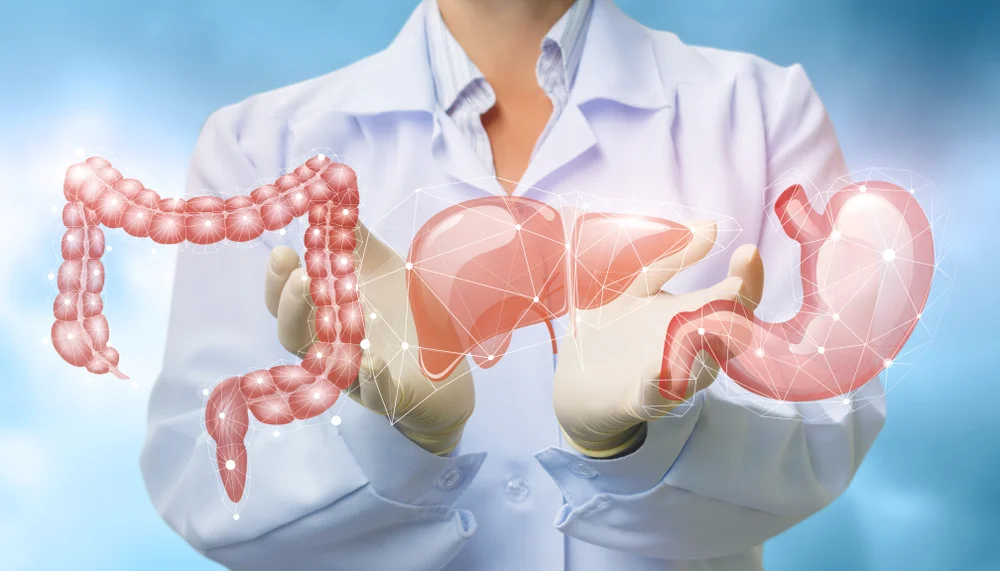
The field of digestive health research is rapidly expanding. Scientists are uncovering new insights into the gut microbiome, postbiotics, personalized nutrition, and the gut-brain connection. Future therapies may involve targeted probiotics, microbiome transplants, or even genetic approaches to optimize digestion. Advances in technology are also improving diagnosis and treatment of conditions like IBS, Crohn’s disease, and celiac disease. As research deepens, it becomes clear that digestion is not just about food breakdown but a central factor in human health, immunity, and longevity. The future promises innovative strategies to keep the gut—and the entire body—thriving.
Final Words For Digestion
The process of digestion is far more than a simple breakdown of food—it is a complex, life-sustaining system that connects every part of the human body. From the moment food enters the mouth to its final passage through the large intestine, digestion ensures that nutrients are extracted, absorbed, and delivered to support energy, growth, and repair. Without efficient digestion, even the most nutritious meals would remain locked away, unavailable to sustain life.
Throughout this guide, we have explored digestion in 35 detailed sections, covering its definition, stages, functions, and influence on health. We saw how vital organs such as the stomach, pancreas, liver, and small intestine coordinate with powerful enzymes, acids, and digestive juices. We also learned that the gut microbiota is not just a supporting player but a central force in maintaining balance, immunity, and overall well-being.
Digestion is influenced not only by biological mechanisms but also by lifestyle factors. Stress, sleep, hydration, and daily food choices all shape the effectiveness of our digestive system. When cared for properly, digestion strengthens immunity, improves metabolism, and even enhances mental health through the gut-brain connection. On the other hand, poor digestion can lead to nutrient deficiencies, chronic disorders, and reduced quality of life.
The future of digestive health lies in understanding the microbiome, personalized nutrition, and natural remedies that harmonize with our biology. As science advances, it becomes clear that protecting digestion is one of the best investments we can make for long-term health.
In summary, digestion is the cornerstone of human health. By valuing and supporting this intricate process, we not only care for our stomachs and intestines but also nurture the entire body, mind, and immune system.

Welcome to GutHealthFacts.com — a place where knowledge, science, and everyday habits meet. Your journey toward a stronger, healthier gut begins here, and we are honored to share it with you. Take your time, explore our articles, and discover how powerful your gut can be when you give it the care it deserves.


