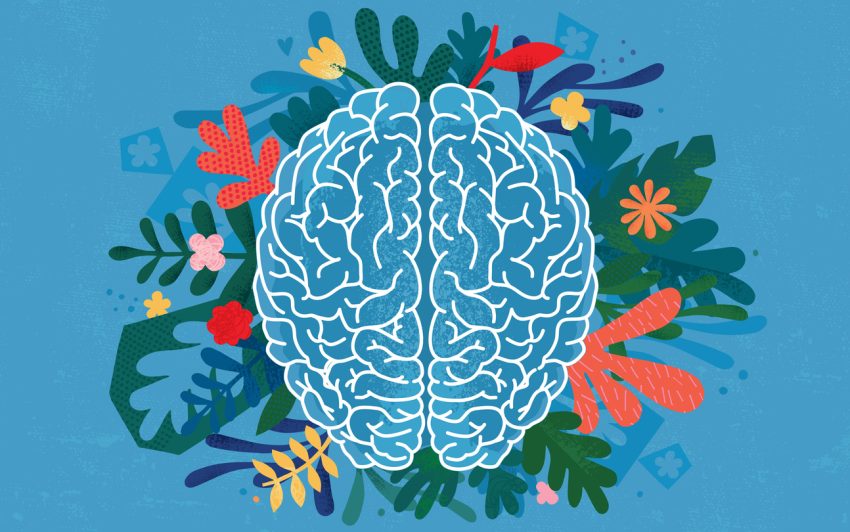
The phrase “trust your gut” may be more scientifically accurate than most people realize. Research shows that gut health is closely linked to mental health through what scientists call the gut-brain axis. This communication system allows the gut and brain to send signals back and forth, influencing mood, stress, and cognitive function. Understanding this connection reveals why supporting gut health can improve not only digestion but also emotional well-being.

The Gut-Brain Axis Explained
The gut contains millions of neurons, often called the “second brain.” These neurons communicate with the brain through the vagus nerve and chemical messengers such as neurotransmitters. In fact, about 90% of serotonin, the “feel-good hormone,” is produced in the gut. When the microbiome is balanced, it supports stable moods and reduced anxiety. When imbalanced, it can lead to stress, depression, and brain fog.
How Gut Health Affects Mental Health
-
Neurotransmitter Production: Healthy bacteria help regulate serotonin and dopamine levels, which influence mood and motivation.
-
Stress Response: An unhealthy gut can over-activate the stress hormone cortisol, making it harder to manage anxiety.
-
Inflammation: Poor gut health increases systemic inflammation, which has been linked to depression and cognitive decline.
-
Sleep Quality: Microbiome imbalances can disturb circadian rhythms, leading to poor sleep, which further affects mental health.
Foods That Support the Gut-Brain Connection
-
Fermented Foods: Yogurt, kefir, kimchi, and sauerkraut provide probiotics that stabilize the gut microbiome.
-
High-Fiber Foods: Oats, beans, and leafy greens feed beneficial bacteria, promoting neurotransmitter balance.
-
Omega-3 Rich Foods: Salmon, walnuts, and flaxseeds reduce inflammation and support brain health.
Lifestyle Practices That Help
-
Mindfulness and Meditation: These reduce stress signals sent from the brain to the gut.
-
Exercise: Regular activity enhances both microbiome diversity and mood.
-
Sleep Hygiene: Quality sleep regulates the gut-brain axis, keeping emotional health stable.
Conclusion
The connection between gut health and mental health is undeniable. A balanced microbiome influences mood, stress, sleep, and cognitive function through the gut-brain axis. By nourishing your gut with probiotic and prebiotic foods, managing stress, and maintaining a healthy lifestyle, you can strengthen both digestive and emotional well-being. Taking care of your gut is one of the most powerful steps you can take toward a healthier, happier mind.

Welcome to GutHealthFacts.com — a place where knowledge, science, and everyday habits meet. Your journey toward a stronger, healthier gut begins here, and we are honored to share it with you. Take your time, explore our articles, and discover how powerful your gut can be when you give it the care it deserves.