
Your body is home to trillions of tiny organisms—bacteria, fungi, and viruses—that work silently behind the scenes to keep you healthy. Collectively known as the microbiome, these microorganisms live on your skin, in your mouth, and most importantly, in your gut. While they may be invisible to the naked eye, their impact on digestion, immunity, and even mental health is enormous.
In recent years, researchers have discovered just how critical a healthy microbiome is for long-term well-being. From breaking down food and producing essential vitamins to protecting against disease-causing bacteria, your gut microbes are like a personal army, working tirelessly to keep your body balanced. On the flip side, when your microbiome is out of balance, it can lead to digestive problems, weakened immunity, and even mood disorders.
The good news? You have the power to influence your microbiome through your daily habits—what you eat, how you sleep, and even how you manage stress. This article will serve as your ultimate guide to understanding, protecting, and nurturing your gut health. By the end, you’ll know exactly how to create a thriving microbiome that supports not only your digestion but your overall health and happiness.
Contents
- Understanding the Microbiome
- Why a Healthy Microbiome Matters?
- Factors That Affect the Microbiome
- How to Build and Maintain a Healthy Microbiome
- Warning Signs of an Unhealthy Microbiome
- Restoring Gut Health After Imbalance
- Myths and Misconceptions About Gut Health
- Future of Microbiome Research
- FAQs About a Healthy Microbiome
- Conclusion: Nurture Your Gut, Nurture Your Life
Understanding the Microbiome
What Is the Human Microbiome?
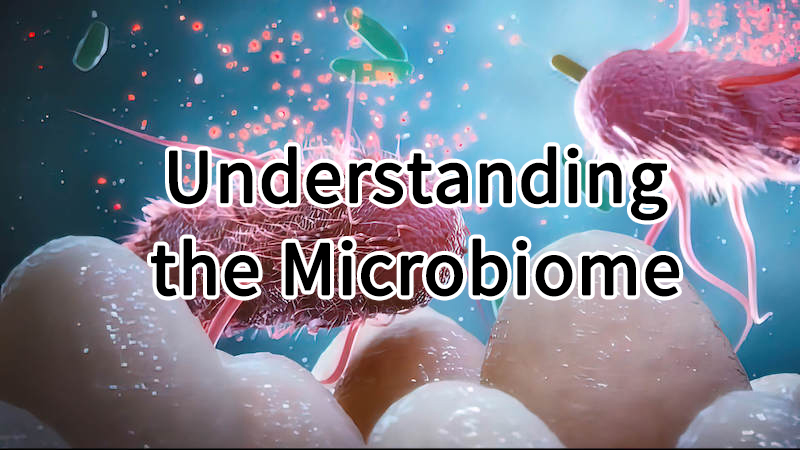
The human microbiome is a vast community of trillions of microorganisms that live inside and on the surface of our bodies. Most of these microbes—bacteria, fungi, and viruses—reside in the gut, particularly in the large intestine. Far from being harmful, many of these microbes play vital roles in digestion, immunity, and even mood regulation. Think of your microbiome as an invisible ecosystem that keeps your body running smoothly.
The Role of Gut Microbes in Overall Health
Your gut microbiome is like a busy city, with each resident performing specific tasks. Some microbes help break down food, while others produce essential vitamins like B12 and K. Certain bacteria also create short-chain fatty acids (SCFAs), which fuel the cells lining your colon and reduce inflammation. When your microbiome is in balance, your whole body benefits—from smoother digestion to improved energy.
Differences Between Good and Bad Bacteria
Not all microbes are created equal. Good bacteria, such as Lactobacillus and Bifidobacterium, aid in nutrient absorption and fight off harmful invaders. Bad bacteria, on the other hand, can cause infections, bloating, and digestive discomfort. A healthy microbiome keeps the good bacteria thriving while keeping the harmful ones in check.
Why a Healthy Microbiome Matters?
Gut Health and Digestion
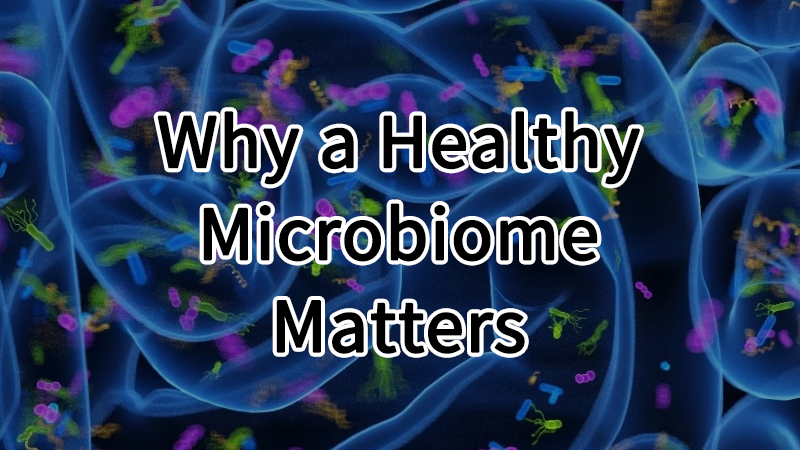
One of the primary roles of the microbiome is to help break down complex carbohydrates, fiber, and proteins. Without these microbes, your digestive system would struggle to absorb nutrients effectively. A balanced microbiome ensures smoother digestion and reduces issues like constipation, diarrhea, and gas.
Connection Between Microbiome and Immunity
Did you know that nearly 70% of your immune system lives in your gut? A healthy microbiome acts as a protective shield, training immune cells to recognize threats while preventing unnecessary inflammation. This balance reduces the risk of autoimmune conditions and chronic illnesses.
Mental Health and the Gut-Brain Axis
Your gut and brain are in constant communication through the gut-brain axis. Certain gut bacteria produce neurotransmitters such as serotonin, dopamine, and GABA, which influence mood and mental well-being. This explains why gut imbalances are often linked to anxiety, depression, and brain fog.
Microbiome and Chronic Diseases
An unhealthy microbiome has been associated with conditions like obesity, diabetes, cardiovascular disease, and even cancer. Research shows that microbial imbalances can trigger chronic inflammation—a root cause of many modern diseases. Protecting your gut is therefore not just about digestion, but also long-term wellness.
Factors That Affect the Microbiome
Diet and Nutrition
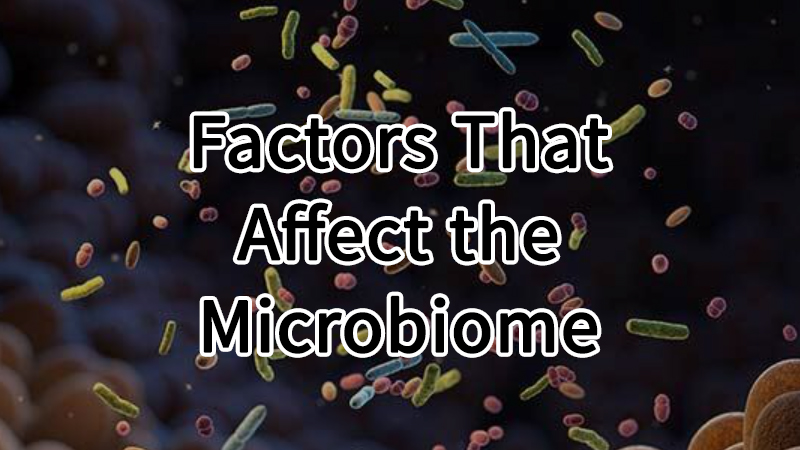
Food is fuel not only for you but also for your microbes. A diet rich in processed foods, sugars, and unhealthy fats promotes the growth of harmful bacteria. On the other hand, plant-based diets rich in fiber, fruits, and vegetables feed beneficial microbes.
Antibiotics and Medications
While antibiotics are life-saving, they can also wipe out good bacteria along with the bad. This disruption often leads to digestive issues, yeast overgrowth, and weakened immunity. Other medications, such as proton pump inhibitors and antidepressants, may also affect gut diversity.
Stress and Sleep
Chronic stress and poor sleep patterns disrupt gut bacteria and increase inflammation. Cortisol, the stress hormone, directly affects the gut lining, making it more susceptible to harmful microbes.
Lifestyle Choices (Alcohol, Smoking, Exercise)
Alcohol and smoking can significantly damage gut flora, while regular physical activity has the opposite effect—promoting microbial diversity and resilience.
How to Build and Maintain a Healthy Microbiome

Best Foods for Gut Health
Your diet plays the most powerful role in shaping your microbiome. By eating the right foods, you can nourish beneficial bacteria and crowd out harmful strains.
Prebiotics: Feeding the Good Bacteria
Prebiotics are non-digestible fibers that serve as food for healthy bacteria. They’re found in foods like garlic, onions, asparagus, leeks, bananas, and oats. By consuming prebiotics regularly, you give your beneficial microbes the fuel they need to thrive.
Probiotics: Adding Beneficial Strains
Probiotics are live bacteria that, when consumed in adequate amounts, improve gut health. You can find them in fermented foods like yogurt, kefir, kimchi, sauerkraut, and miso. Unlike prebiotics, which feed existing bacteria, probiotics introduce new helpful strains into your system.
Fiber-Rich Foods for Digestion
Dietary fiber is essential for maintaining gut regularity and microbial balance. Beans, lentils, whole grains, apples, and leafy greens provide the roughage needed to keep the digestive system moving while supporting beneficial microbes.
The Role of Fermented Foods
Fermented foods are natural sources of probiotics and bioactive compounds. Regular consumption of foods like kombucha, tempeh, and pickles enhances gut biodiversity. They also improve nutrient absorption and strengthen your intestinal lining.
Hydration and Gut Balance
Staying hydrated is crucial for a healthy gut. Water helps fiber move smoothly through the intestines, preventing constipation and maintaining microbial stability. Aim for at least 8 glasses of water daily, or more if you’re physically active.
Importance of Regular Exercise
Exercise not only strengthens muscles but also boosts gut health. Studies show that people who engage in moderate physical activity have more diverse microbiomes. Activities like walking, yoga, cycling, and swimming enhance digestion and reduce gut-related inflammation.
Warning Signs of an Unhealthy Microbiome
Common Digestive Issues
Bloating, gas, constipation, or diarrhea are some of the most obvious signs of an imbalanced microbiome. Persistent digestive discomfort should not be ignored.
Skin Conditions and Allergies
Eczema, acne, and chronic rashes can be linked to poor gut health. Similarly, food sensitivities and seasonal allergies often stem from microbial imbalances that overactivate the immune system.
Fatigue and Mood Disorders
If you’re constantly tired or struggling with anxiety and depression, your gut may be partly to blame. Imbalanced microbes disrupt the gut-brain axis, leading to mood swings, low energy, and mental fog.
Restoring Gut Health After Imbalance
Post-Antibiotic Recovery
If you’ve recently taken antibiotics, your microbiome likely needs repair. Probiotic-rich foods, combined with prebiotic fibers, can help replenish beneficial bacteria. Some experts also recommend probiotic supplements to speed up recovery.
Elimination Diets and Gut Reset
Identifying and removing foods that irritate your gut—such as processed sugars, gluten, or dairy—can reduce inflammation. After a period of elimination, reintroduce foods one at a time to identify triggers.
Supplements for Microbiome Support
When diet alone isn’t enough, supplements like probiotics, digestive enzymes, and omega-3 fatty acids may support gut healing. However, it’s always best to consult a healthcare professional before starting new supplements.
Myths and Misconceptions About Gut Health
Do You Really Need Probiotic Pills?
Not always. While probiotic supplements can help in some cases, they’re not a magic fix. Whole foods and fermented foods often provide more sustainable benefits. Supplements are best used for targeted needs, like after antibiotics or during illness.
Can One Diet Fix Everyone’s Gut?
Absolutely not. Each person’s microbiome is unique, shaped by genetics, environment, and lifestyle. What works for one person may not work for another. Personalized nutrition is the future of gut health.
Future of Microbiome Research
Personalized Nutrition and Medicine
Scientists are discovering that analyzing an individual’s microbiome can help design personalized diets and treatments. Soon, doctors may prescribe nutrition plans based on your microbial makeup.
Microbiome-Based Therapies
Emerging treatments like fecal microbiota transplants (FMT) and engineered probiotics are being tested for conditions such as inflammatory bowel disease, obesity, and even neurological disorders. The future of medicine may rely heavily on microbiome science.
FAQs About a Healthy Microbiome
What are the top foods for a healthy microbiome?
Foods rich in fiber, prebiotics, and probiotics are best. Examples include yogurt, kefir, sauerkraut, garlic, onions, beans, and leafy greens.
How long does it take to heal your gut?
Depending on your lifestyle, it can take anywhere from a few weeks to several months. Consistency in diet, stress management, and sleep is key.
Can stress really damage your microbiome?
Yes. Chronic stress alters hormone levels, weakens the gut lining, and disrupts microbial balance, increasing your risk of digestive problems.
Are probiotics safe for everyone?
Most people tolerate probiotics well, but individuals with compromised immune systems should consult a doctor before use.
Is fasting good for gut health?
Intermittent fasting can benefit gut bacteria by allowing the digestive system to rest. However, it’s not suitable for everyone and should be practiced with caution.
How do I know if my gut is healthy?
A healthy gut usually means regular bowel movements, minimal bloating, good energy, clear skin, and stable mood. If you experience frequent digestive issues, consult a healthcare provider.
Conclusion: Nurture Your Gut, Nurture Your Life
A healthy microbiome is the foundation of overall well-being. By making mindful choices—such as eating a fiber-rich diet, enjoying fermented foods, staying active, and managing stress—you can keep your gut in balance. Remember, your microbiome is unique, and what works for others may need adjustment for you.
The future of health lies in understanding and supporting the tiny microbes that live within us. Nurture your gut, and it will nurture you in return.

Welcome to GutHealthFacts.com — a place where knowledge, science, and everyday habits meet. Your journey toward a stronger, healthier gut begins here, and we are honored to share it with you. Take your time, explore our articles, and discover how powerful your gut can be when you give it the care it deserves.
