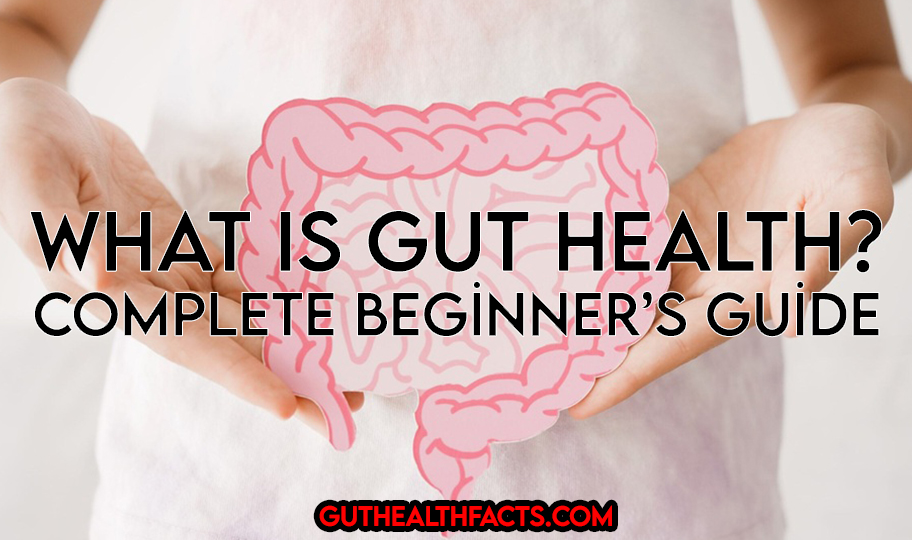
In recent years, gut health has become one of the most widely discussed topics in medicine, nutrition, and wellness. Scientists now understand that the digestive system is not just responsible for breaking down food—it is also home to trillions of microorganisms that influence everything from immunity to mood. This vast and complex ecosystem, known as the gut microbiome, has been called the body’s “second brain.”
Despite its importance, many people still know very little about how the gut functions, what keeps it healthy, and what can harm it. Poor gut health is linked not only to digestive issues such as bloating, constipation, and reflux, but also to chronic inflammation, autoimmune disorders, and even mental health challenges like anxiety and depression.
This beginner’s guide to gut health will break down the essentials in a clear and practical way. By the end of this article, you will understand what gut health is, why it matters, how the microbiome works, common signs of an unhealthy gut, and the most effective steps you can take to improve digestion naturally.
Contents
Understanding Gut Health – The Basics
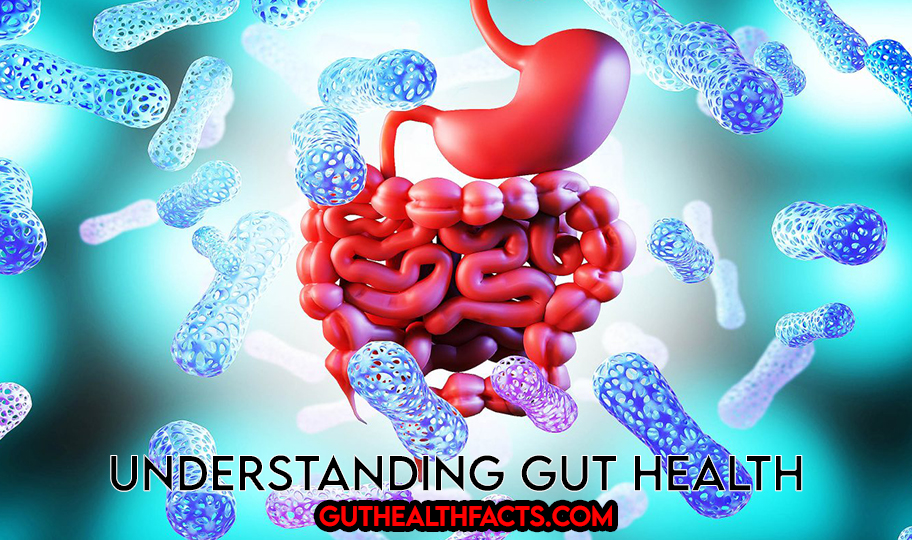
Gut health is the foundation of overall wellness. It refers to how well your digestive system functions, how balanced your gut microbiome is, and how effectively your body absorbs nutrients. By understanding the basics of gut health, you can learn why it plays a central role in immunity, digestion, and mental clarity.
What Does Gut Health Really Mean?
Gut health describes the state of balance inside your digestive system. When your gut health is strong, digestion is smooth, nutrient absorption is efficient, and the gut microbiome—trillions of bacteria, fungi, and microbes—remains in harmony. Poor gut health, on the other hand, often leads to bloating, constipation, fatigue, and inflammation. Simply put, gut health is not just about avoiding stomach problems; it is about maintaining long-term balance for your entire body.
Why Gut Health Is Essential for Overall Health
The digestive tract is deeply connected to many key body functions. Good gut health ensures your immune system is resilient, your metabolism works properly, and your brain communicates effectively with your body through the gut-brain axis. Research shows that poor gut health can trigger autoimmune issues, skin problems, and even mood disorders. Prioritizing gut health is therefore one of the most effective steps toward lasting physical and mental wellness.
The Gut Microbiome Explained
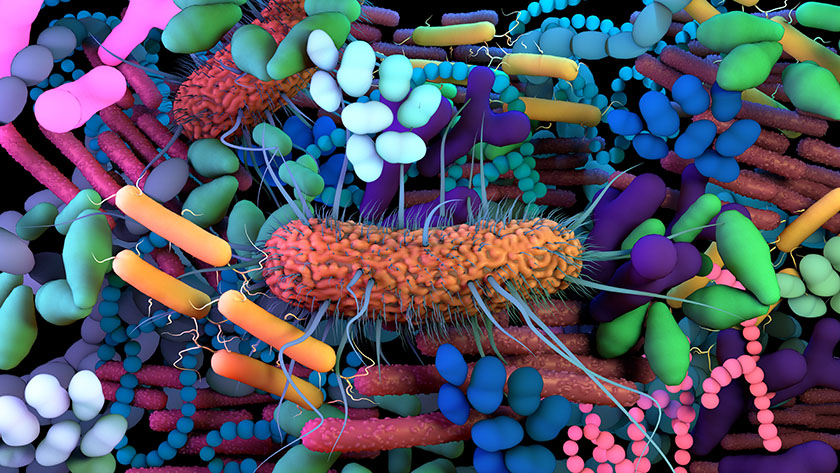
At the core of gut health lies the gut microbiome, a vast community of bacteria, fungi, and other microorganisms. Understanding the microbiome is essential, as it influences digestion, immunity, weight, and even mental health. A balanced microbiome is the foundation of strong gut health and overall well-being.
What Is the Gut Microbiome?
The gut microbiome refers to trillions of microorganisms living in your digestive tract. These microbes are not harmful; in fact, many of them are beneficial. They help break down complex foods, produce vitamins, regulate the immune system, and protect against harmful pathogens. A diverse microbiome is considered a marker of good gut health.
How the Gut Microbiome Develops
From the moment we are born, our gut health begins to develop. Babies acquire microbes during birth and breastfeeding, and the microbiome continues to evolve throughout life. Diet, environment, antibiotics, and stress all shape the composition of the gut microbiome. By adulthood, this ecosystem becomes highly individualized, almost like a fingerprint.
Gut Health and the Role of Good vs. Bad Bacteria
Not all bacteria are created equal. Beneficial bacteria such as Lactobacillus and Bifidobacterium support gut health, while harmful bacteria can cause inflammation, infection, and digestive issues. When the balance tips in favor of bad bacteria, gut health suffers, leading to bloating, diarrhea, or chronic conditions like IBS.
The Gut-Brain Connection and Mental Health
One of the most fascinating aspects of gut health is the gut-brain axis. This communication pathway links your digestive system to your brain. Research suggests that an unhealthy gut may contribute to anxiety, depression, and mood swings. A healthy microbiome, on the other hand, produces neurotransmitters such as serotonin, which help regulate emotions.
Signs of an Unhealthy Gut
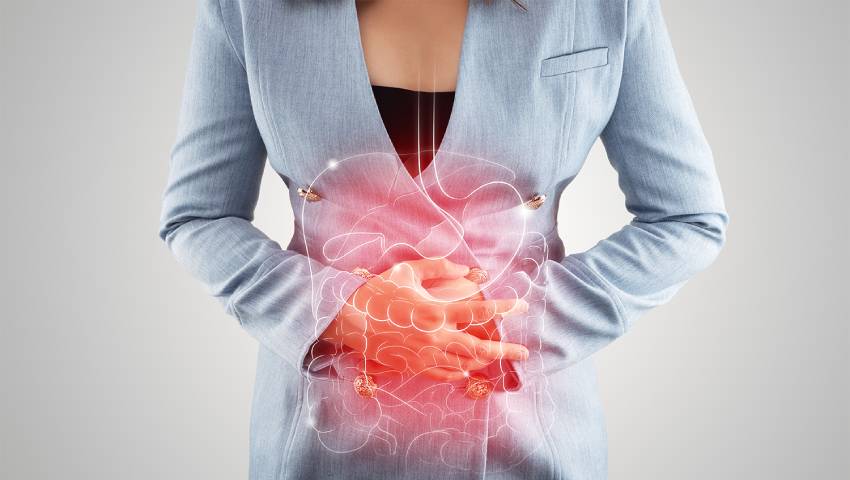
Recognizing the signs of poor gut health is essential for prevention and early lifestyle adjustments. From digestive discomfort to skin problems and fatigue, your gut often signals when it is out of balance. Identifying these symptoms can help you take steps toward restoring healthy gut function.
Digestive Discomfort and Bloating
Frequent bloating, gas, or abdominal pain are among the most common signs of poor gut health. These symptoms suggest that food is not being broken down properly or that harmful bacteria are outnumbering beneficial microbes.
Irregular Bowel Movements
Constipation or diarrhea can indicate imbalances in gut health. While occasional irregularity is normal, persistent changes often point to underlying issues such as IBS, food intolerances, or microbial imbalance.
Constant Fatigue and Low Energy
Gut health directly affects how your body absorbs nutrients. Poor absorption can lead to constant tiredness and low energy, even when you are eating a balanced diet. This is often overlooked but strongly tied to gut health.
Skin Problems Linked to Gut Health
Skin conditions like acne, eczema, and rosacea can reflect poor gut health. An unhealthy gut may increase inflammation in the body, which can appear on the skin as irritation, redness, or breakouts.
Frequent Illness or Weakened Immunity
Since 70% of the immune system resides in the gut, weakened immunity is often a direct result of poor gut health. If you find yourself getting sick more often than usual, your gut microbiome may need attention.
How to Improve Gut Health Naturally
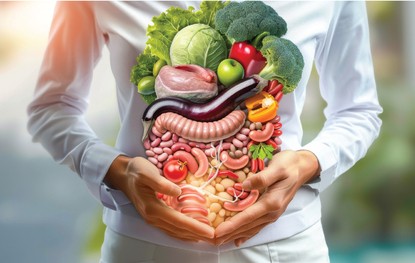
Improving gut health does not always require complex treatments. Small daily lifestyle changes, mindful eating, and natural approaches can make a significant difference. By adopting gut-friendly habits, you can restore balance, strengthen digestion, and support long-term wellness.
Eat a Fiber-Rich Diet
Fiber feeds beneficial gut bacteria and helps regulate digestion. Whole grains, fruits, vegetables, and legumes are excellent sources that improve gut health naturally and keep bowel movements regular.
Include Fermented Foods in Your Meals
Fermented foods like yogurt, kefir, sauerkraut, and kimchi provide probiotics that enhance gut health. Regularly adding them to your diet supports a diverse and strong microbiome.
Stay Hydrated for Healthy Digestion
Water is essential for digestion. Proper hydration helps break down food, supports nutrient absorption, and prevents constipation, all of which are crucial for maintaining gut health.
Manage Stress Effectively
High stress levels can disrupt gut health through the gut-brain axis. Meditation, yoga, and mindful breathing are proven techniques to reduce stress and protect digestive balance.
Prioritize Quality Sleep
Sleep is a vital factor in maintaining gut health. Poor sleep can alter the microbiome and increase inflammation, while consistent rest allows the gut to heal and restore balance.
Probiotics, Prebiotics, and Supplements for Gut Health
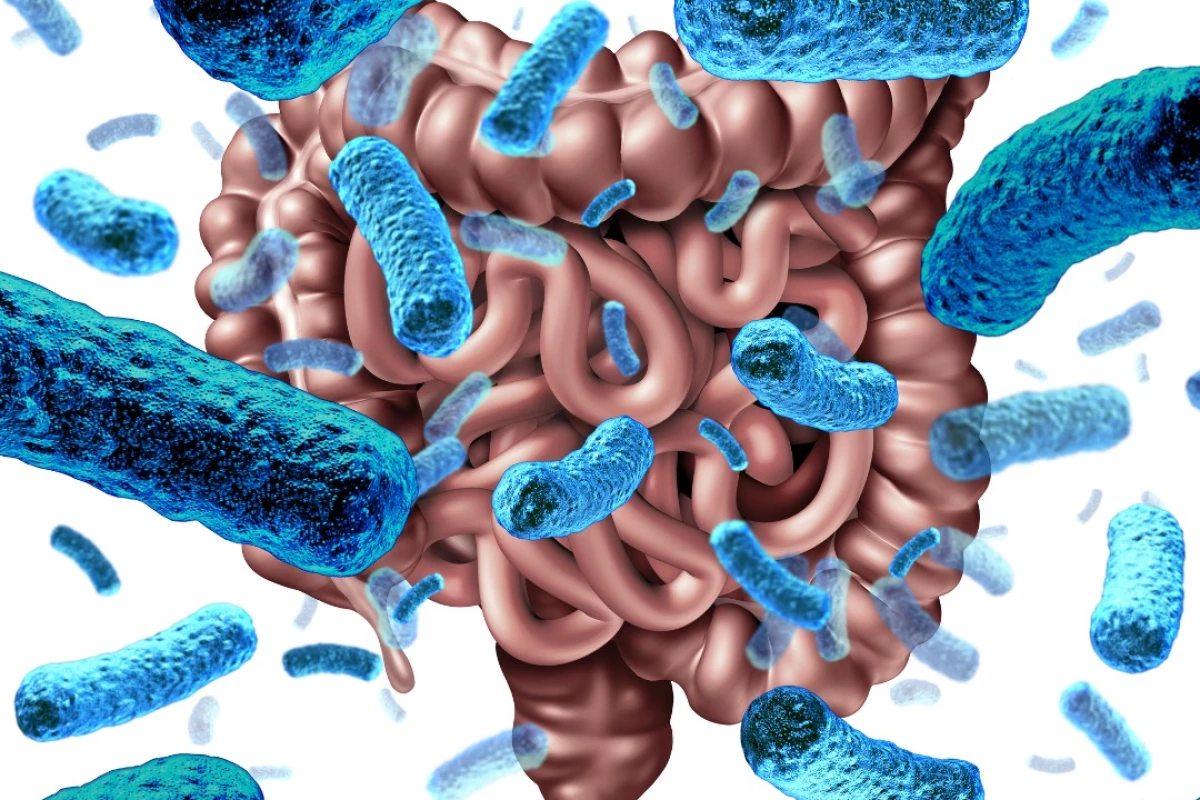
While diet and lifestyle form the foundation of gut health, probiotics, prebiotics, and supplements can offer additional support. Understanding the difference between them and how they influence digestion is key to making smart choices for a healthier gut.
What Are Probiotics and How Do They Help Gut Health?
Probiotics are live beneficial bacteria found in certain foods and supplements. They help balance the gut microbiome, improve digestion, and strengthen the immune system. Regular probiotic use supports long-term gut health.
The Role of Prebiotics in Supporting Gut Health
Prebiotics are fibers that feed the good bacteria in your gut. Foods like garlic, onions, bananas, and oats act as fuel for probiotics, helping them thrive and maintain strong gut health.
Choosing the Right Probiotic Supplements
Not all probiotic supplements are the same. Different strains serve different purposes—some target bloating, others support immunity. Selecting the right probiotic is crucial for maximizing gut health benefits.
Additional Supplements for Gut Health
Beyond probiotics and prebiotics, supplements such as digestive enzymes, omega-3 fatty acids, and vitamin D can support gut health. They help reduce inflammation, improve nutrient absorption, and maintain microbial balance.
When to Consult a Professional
Although probiotics and supplements can boost gut health, they are not a replacement for medical advice. If you experience persistent digestive issues, it’s important to consult a healthcare provider before relying on supplements.

Conclusion
Gut health is far more than a trendy buzzword; it is the foundation of overall wellness. From digestion and nutrient absorption to immunity, skin health, and even mood, your gut plays a central role in how your body functions every single day.
In this guide, we explored the basics of gut health, the importance of the gut microbiome, the common signs of imbalance, natural ways to improve digestion, and the role of probiotics, prebiotics, and supplements. Each of these elements highlights one truth: maintaining good gut health requires consistency, balance, and awareness of daily habits.
The good news is that improving gut health is within everyone’s reach. Simple steps like eating fiber-rich foods, staying hydrated, getting enough sleep, and reducing stress can have powerful long-term effects. Adding probiotics and prebiotics can further support your microbiome and create lasting digestive harmony.
Your journey to better gut health does not have to be complicated. With the right knowledge and small, consistent actions, you can build a healthier digestive system and, as a result, a healthier life. Remember—when you take care of your gut health, you are investing in the well-being of your entire body and mind.

Welcome to GutHealthFacts.com — a place where knowledge, science, and everyday habits meet. Your journey toward a stronger, healthier gut begins here, and we are honored to share it with you. Take your time, explore our articles, and discover how powerful your gut can be when you give it the care it deserves.