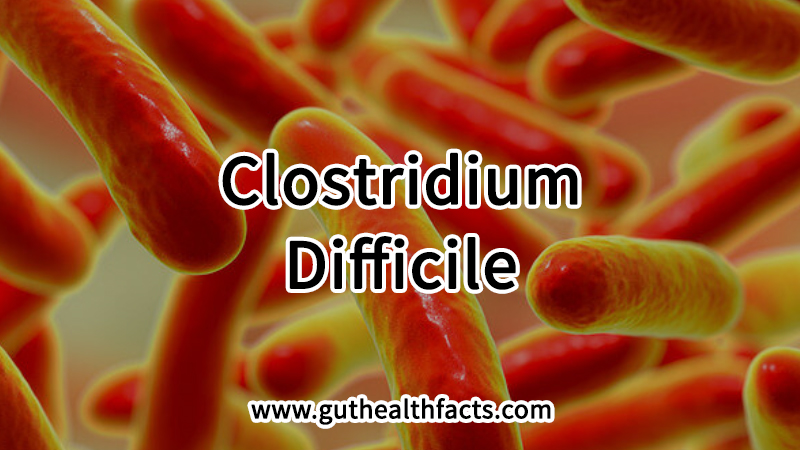
Gut health is strongly influenced by the balance of bacteria living in the digestive system. While many microbes support health, some can become dangerous under certain conditions. One of the most concerning is Clostridium Difficile, a bacterium that can cause severe digestive disorders. Known as C. difficile or simply C. diff, it is often linked to antibiotic use, which disrupts the normal microbiome and allows this pathogen to grow unchecked.
Clostridium Difficile infection is associated with high healthcare costs, hospitalizations, and even life-threatening complications. Its ability to produce toxins makes it particularly harmful, leading to colitis, chronic inflammation, and recurrent infections. In this article, we will examine three major risks associated with Clostridium Difficile infection and explain why managing this pathogen is critical for digestive health and overall wellness.
Contents
1. Severe Diarrhea and Dehydration
The First and Most Common Symptom
One of the earliest and most frequent signs of Clostridium Difficile infection is persistent diarrhea. Unlike mild digestive upset, this form of diarrhea is often watery, frequent, and difficult to control.
Key Characteristics:
-
Can occur multiple times a day.
-
Leads to rapid fluid and electrolyte loss.
-
Causes fatigue, dizziness, and weakness.
Health Risks Linked to Diarrhea
Severe diarrhea caused by Clostridium Difficile can quickly lead to dehydration, which poses serious risks, especially in older adults and immunocompromised individuals. Dehydration may result in:
-
Kidney damage from reduced fluid balance.
-
Electrolyte imbalances affecting heart function.
-
Increased hospitalizations and need for intravenous fluids.
Practical Prevention Tips
-
Monitor hydration levels closely during antibiotic treatment.
-
Consume oral rehydration solutions if symptoms begin.
-
Seek medical attention if diarrhea persists beyond two days.
2. Colitis and Intestinal Inflammation
How Clostridium Difficile Damages the Colon
The danger of Clostridium Difficile infection goes beyond diarrhea. This bacterium releases toxin A and toxin B, which directly damage the lining of the colon. These toxins trigger inflammation and create ulcer-like lesions, leading to colitis.
Symptoms of Colitis:
-
Severe abdominal pain and cramping.
-
Fever and chills.
-
Presence of blood or mucus in the stool.
Complications of Inflammation
Colitis caused by Clostridium Difficile can progress to more severe forms, such as pseudomembranous colitis, which requires immediate medical intervention. If left untreated, inflammation can escalate into:
-
Intestinal perforation (life-threatening).
-
Toxic megacolon, where the colon enlarges dangerously.
-
Long-term damage to the intestinal lining.
Reducing the Risk of Colitis
-
Use antibiotics only when absolutely necessary.
-
Support gut health with probiotics during treatment (when medically approved).
-
Seek medical evaluation at the first signs of severe abdominal pain.
3. Microbiome Disruption and Recurrence
Why Recurrence is a Major Concern
One of the most frustrating aspects of Clostridium Difficile infection is its tendency to recur even after treatment. Up to 25% of patients experience relapse, and multiple recurrences can occur over months or years.
How Clostridium Difficile Disrupts the Microbiome
Healthy gut bacteria usually prevent pathogens from overgrowing. However, antibiotics wipe out protective microbes, allowing Clostridium Difficile to flourish. This imbalance—known as dysbiosis—weakens digestive stability and immune defenses.
Consequences of Dysbiosis:
-
Reduced resistance to new infections.
-
Poor nutrient absorption.
-
Increased risk of chronic digestive disorders.
Advanced Treatments for Recurrence
-
Fecal microbiota transplantation (FMT): Restores healthy microbial balance.
-
Targeted probiotics: Certain strains may reduce recurrence rates.
-
New antibiotics: Such as fidaxomicin, designed to minimize microbiome disruption.
Broader Health Impacts of Clostridium Difficile
Beyond the three main risks, Clostridium Difficile infection has ripple effects across overall health.
Secondary Health Risks:
-
Weakened immune response due to chronic inflammation.
-
Malnutrition from poor nutrient absorption.
-
Increased mental stress and reduced quality of life.
Because of its impact on both physical and emotional health, Clostridium Difficile should be taken seriously as more than just a gut infection—it is a systemic threat that requires comprehensive management.
How to Reduce the Risk of Infection
Preventive Steps in Daily Life
While hospitals and long-term care facilities are common hotspots for Clostridium Difficile, individuals can take proactive steps to lower their risk.
Practical Tips:
-
Practice proper hand hygiene with soap and water (alcohol-based sanitizers are less effective).
-
Avoid unnecessary antibiotic use.
-
Maintain a high-fiber, plant-based diet to support gut microbiome diversity.
-
Include probiotic-rich foods like yogurt, kefir, and sauerkraut to strengthen gut defenses.
Supporting Gut Recovery After Antibiotics
If antibiotics are necessary, pairing them with prebiotic and probiotic foods can help restore microbial balance and reduce the risk of Clostridium Difficile overgrowth.
Conclusion
Clostridium Difficile is one of the most dangerous gut pathogens because of its ability to disrupt the microbiome and cause severe digestive disorders. The three key risks associated with this infection include severe diarrhea and dehydration, colitis and intestinal inflammation, and microbiome disruption with recurrence. Each of these risks highlights the importance of prevention, early detection, and effective treatment.
Maintaining good gut health through diet, probiotics, and mindful antibiotic use is one of the best defenses against Clostridium Difficile. By protecting your microbiome and strengthening your immune system, you can reduce the likelihood of infection and support long-term digestive wellness.

Welcome to GutHealthFacts.com — a place where knowledge, science, and everyday habits meet. Your journey toward a stronger, healthier gut begins here, and we are honored to share it with you. Take your time, explore our articles, and discover how powerful your gut can be when you give it the care it deserves.
Related posts:
 Roseburia Intestinalis: 2 Important Roles In Butyrate Production And Colon Support
 Eubacterium Rectale: 4 Essential Functions In Digestive Balance And Microbiome Stability
 Ruminococcus Bromii: 3 Crucial Contributions To Resistant Starch Digestion
 Ruminococcus Obeum: 2 Ways It Supports Fiber Fermentation And Gut Wellness