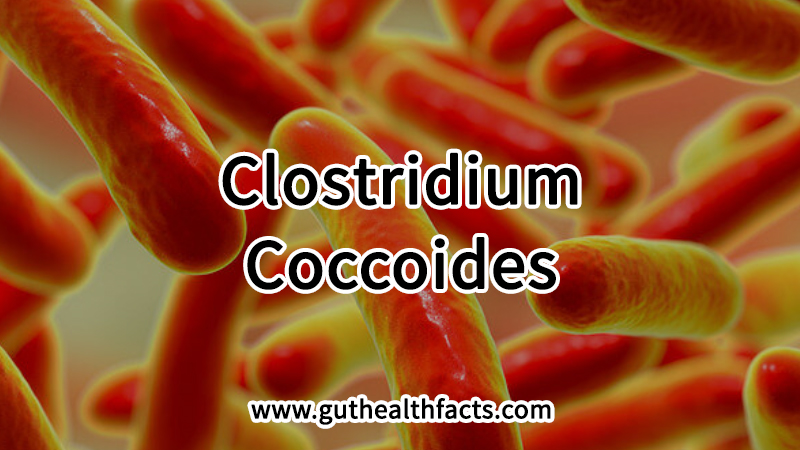
The gut microbiome plays a crucial role in maintaining both digestive and immune health. Among the many beneficial bacterial groups, Clostridium Coccoides has been identified as a key contributor to overall well-being. Belonging to the Firmicutes phylum, this bacterial group is known for producing short-chain fatty acids (SCFAs), especially butyrate, which nourishes colon cells and regulates immunity.
Recent studies highlight that Clostridium Coccoides not only supports gut barrier integrity but also helps regulate inflammatory responses and promotes microbial diversity. These functions make it an essential part of a healthy digestive ecosystem. In this article, we will explore three key benefits of Clostridium Coccoides for immune regulation and gut health, showing why nurturing this bacterium is so important for long-term wellness.
Contents
1. Boosting Immune Regulation
Interaction with the Immune System
A balanced immune system requires proper signaling between gut microbes and immune cells. Clostridium Coccoides plays an active role in this communication, helping to prevent harmful immune overreactions.
Key Contributions:
-
Stimulates regulatory T cells (Tregs) that control excessive inflammation.
-
Enhances the production of anti-inflammatory cytokines.
-
Reduces risks linked to autoimmune diseases and allergies.
Practical Benefits
By modulating immune function, Clostridium Coccoides helps maintain resilience against pathogens while preventing chronic inflammatory conditions. This balance ensures that the body can fight infections without triggering unnecessary immune responses.
2. Producing Butyrate for Colon Health
Why Butyrate is Vital
Butyrate is a powerful SCFA that serves as the primary energy source for colonocytes, the cells lining the colon. Without sufficient butyrate, the intestinal barrier becomes weak, leading to increased permeability and inflammation.
Role of Clostridium Coccoides in Butyrate Production
Clostridium Coccoides ferments dietary fibers and resistant starches into butyrate. This process not only strengthens gut lining integrity but also improves the overall digestive environment.
Health Benefits of Butyrate:
-
Strengthens intestinal barrier and prevents leaky gut.
-
Protects against colon cancer by reducing oxidative stress.
-
Creates an acidic environment that suppresses harmful bacteria.
By supporting butyrate production, Clostridium Coccoides directly contributes to a healthier gut and a more resilient digestive system.
3. Promoting Microbial Balance and Gut Wellness
Enhancing Microbial Diversity
Clostridium Coccoides does not act alone—it collaborates with other beneficial bacteria. Its fermentation products provide energy and substrates that other microbes use, leading to a more diverse and stable gut ecosystem.
Overall Benefits for Gut Wellness
-
Improves nutrient absorption through efficient fiber breakdown.
-
Encourages the growth of other SCFA-producing bacteria.
-
Suppresses harmful bacterial overgrowth that can disrupt digestion.
By maintaining microbial balance, Clostridium Coccoides helps ensure long-term gut stability, supporting both digestive comfort and immune protection.
How to Support Clostridium Coccoides Naturally
Encouraging the growth of Clostridium Coccoides is simple when dietary choices focus on high-fiber, prebiotic-rich foods.
Fiber-Rich Foods That Support Growth:
-
Whole grains (barley, oats, brown rice).
-
Legumes (lentils, beans, chickpeas).
-
Vegetables (broccoli, carrots, leafy greens).
-
Resistant starch sources (green bananas, cooled potatoes, rice).
Lifestyle Recommendations:
-
Aim for 25–35 grams of fiber daily.
-
Eat a variety of plant-based foods to nourish diverse microbes.
-
Limit processed foods that can disrupt microbial balance.
-
Combine resistant starches with prebiotics like onions and garlic for maximum effect.
By maintaining these dietary habits, you can support Clostridium Coccoides and promote gut wellness naturally.
Conclusion
Clostridium Coccoides is a valuable member of the gut microbiome, providing essential benefits for both immune regulation and digestive stability. Its main contributions include boosting immune regulation, producing butyrate, and promoting microbial balance. These roles make it a central player in maintaining long-term gut health and systemic immunity.
Supporting Clostridium Coccoides does not require complicated strategies—simply adopting a fiber-rich diet and minimizing processed foods can help this bacterium thrive. Over time, nurturing Clostridium Coccoides contributes to improved digestion, stronger immune defenses, and a healthier overall microbiome.

Welcome to GutHealthFacts.com — a place where knowledge, science, and everyday habits meet. Your journey toward a stronger, healthier gut begins here, and we are honored to share it with you. Take your time, explore our articles, and discover how powerful your gut can be when you give it the care it deserves.
Related posts:
 Faecalibacterium Prausnitzii: 3 Key Benefits For Gut Health And Inflammation Control
 Roseburia Intestinalis: 2 Important Roles In Butyrate Production And Colon Support
 Eubacterium Rectale: 4 Essential Functions In Digestive Balance And Microbiome Stability
 Ruminococcus Bromii: 3 Crucial Contributions To Resistant Starch Digestion