
The best nutrition and foods for gut health are the foundation of a strong digestive system and overall wellness. What you eat each day directly influences the balance of your microbiome, which affects not only digestion but also immunity, energy, and even mood. By making smart nutritional choices, you can build a healthier gut and prevent common issues like bloating, constipation, and indigestion.
When discussing the best nutrition for gut health, fiber-rich foods such as vegetables, fruits, and whole grains are essential. They feed beneficial bacteria and improve digestion naturally. Probiotic-rich foods like yogurt, kefir, and sauerkraut help restore microbial balance, while prebiotics such as garlic and onions fuel the growth of good bacteria. At the same time, limiting processed foods and excess sugar is crucial to protect the gut environment.
By focusing on foods that support better digestion and nutrition that promotes balance, you can improve nutrient absorption, reduce inflammation, and even support mental clarity through the gut-brain axis. This article will guide you through the most effective and science-backed eating strategies, highlighting the best choices to strengthen gut health naturally.
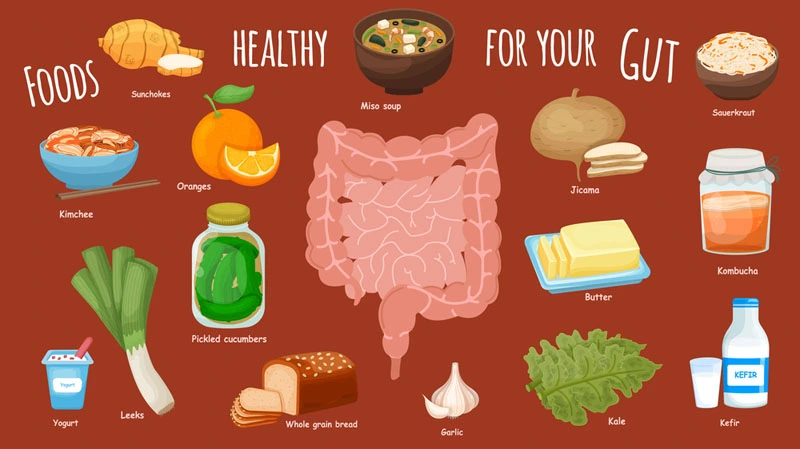
1. Focus on the Best Nutrition and Foods for Gut Health
The foundation of digestive wellness begins with selecting the best nutrition and foods for gut health. A balanced diet filled with fresh vegetables, fruits, whole grains, legumes, and fermented foods helps feed good bacteria and strengthen the gut lining. These foods also supply essential vitamins, minerals, and antioxidants that reduce inflammation and improve nutrient absorption. At the same time, cutting back on processed foods, fried items, and refined sugars creates a healthier environment for the gut microbiome to thrive.
By choosing the best nutrition and foods for gut health, you’re not only preventing common issues such as bloating and constipation but also building long-term resilience against chronic diseases. The gut directly impacts immunity, metabolism, and even mental health, making nutrition one of the most powerful tools for overall well-being.
2. Choose Fiber-Rich Foods Every Day
Fiber is one of the most effective ways to strengthen digestive health naturally. Found in whole grains, fruits, vegetables, and legumes, fiber feeds beneficial gut bacteria, creating short-chain fatty acids that support colon health and reduce inflammation. A diet rich in fiber also ensures smoother bowel movements, preventing constipation and bloating.
Most people don’t consume enough fiber daily, which leaves their gut bacteria undernourished. By including fiber-rich meals—such as oatmeal for breakfast, lentils at lunch, and leafy greens at dinner—you give your digestive system the fuel it needs to work efficiently. Over time, these simple choices restore microbial balance and build a stronger foundation for gut health.
3. Incorporate Probiotic and Fermented Foods
Probiotic foods are essential for maintaining balance in the gut microbiome. Yogurt, kefir, kimchi, sauerkraut, miso, and kombucha are all excellent sources of live bacteria that repopulate the digestive tract with beneficial microbes. These bacteria not only aid digestion but also strengthen immunity, reduce bloating, and help regulate bowel movements.
Incorporating probiotic foods daily helps restore microbial diversity, which is often reduced by stress, poor diet, or antibiotics. Pairing them with prebiotic foods like garlic, onions, or bananas ensures that probiotics thrive and multiply. Together, they form a powerful combination that reduces digestive discomfort and supports long-term gut health.
4. Limit Processed Foods and Sugary Drinks
Processed foods and sugary drinks are among the biggest enemies of a healthy gut. They are often filled with preservatives, artificial sweeteners, and refined sugars that encourage the growth of harmful bacteria while starving beneficial microbes. Over time, this imbalance leads to bloating, indigestion, fatigue, and chronic inflammation.
Replacing these foods with whole, nutrient-dense alternatives is one of the simplest ways to protect gut health. Swap sodas for water or herbal tea, replace refined grains with quinoa or oats, and choose natural snacks like fruit instead of candy. These small but consistent choices reduce strain on the digestive system and create the right environment for beneficial bacteria to flourish.
5. Stay Hydrated to Support Digestion
Water plays a central role in digestion, making hydration one of the most important lifestyle habits for gut health. It helps break down food, dissolve nutrients, and transport them through the digestive system. Without enough water, digestion slows down, leading to constipation, bloating, and poor nutrient absorption.
In addition to plain water, herbal teas such as peppermint, ginger, or chamomile can further support digestion by relaxing the gut and reducing inflammation. Staying hydrated throughout the day ensures that your gut microbiome functions properly and that your body maintains a healthy balance. Carrying a water bottle, drinking before meals, and replacing sugary drinks with herbal teas are simple yet powerful strategies to keep digestion strong and gut health thriving.
6. Prioritize Quality Sleep Every Night
Sleep is often underestimated, but it plays a major role in supporting gut health. Research shows that poor sleep disrupts the microbiome, increases inflammation, and weakens digestion. People who don’t get enough rest often experience more bloating, indigestion, and cravings for unhealthy foods, all of which further harm the gut.
Getting 7–9 hours of quality sleep each night allows the body to repair and restore balance in the digestive system. Creating a consistent sleep schedule, avoiding heavy meals before bed, and limiting screen time in the evening can all improve sleep quality. Herbal teas like chamomile or lavender are also natural aids for better rest. Prioritizing sleep is not just about feeling refreshed—it is one of the most powerful lifestyle habits for long-term gut health.
7. Manage Stress to Protect Digestion
The gut and brain are directly connected through the gut-brain axis. High stress levels disrupt this communication, leading to indigestion, bloating, and even chronic conditions like IBS. Stress hormones slow down digestion, cause muscle tension, and affect how food moves through the gastrointestinal tract.
Practicing mindfulness techniques such as yoga, meditation, and deep breathing helps calm the nervous system and restore balance to the digestive process. Spending time outdoors, journaling, or engaging in creative hobbies also lowers stress and supports gut health. By managing stress consistently, you protect your digestive system from disruption and create an environment where beneficial bacteria can thrive.
8. Exercise Regularly for Digestive Balance
Physical activity is one of the simplest and most effective ways to support gut health. Exercise stimulates intestinal contractions (peristalsis), which helps food move smoothly through the digestive system, reducing bloating and constipation. It also improves circulation, supports metabolism, and lowers stress—all of which benefit the gut.
Moderate-intensity exercises like walking, cycling, or swimming are particularly effective. Yoga poses that twist or stretch the abdomen can also massage internal organs and improve digestion naturally. Even short walks after meals can significantly reduce indigestion and make digestion more efficient. A consistent exercise routine builds long-term resilience in both the body and the gut.
9. Eat Smaller, Balanced Meals
Large meals can overwhelm the digestive system and lead to bloating, gas, and discomfort. Eating smaller, balanced meals throughout the day helps maintain steady energy levels and allows the digestive system to process food more efficiently. Portion control also prevents overeating, which can strain the gut and cause reflux.
Each meal should ideally include a mix of fiber, protein, and healthy fats to support digestion and feed beneficial bacteria. Eating mindfully—chewing thoroughly and avoiding distractions—further improves the digestive process. By making small adjustments to meal size and composition, you can significantly improve gut health and overall comfort.
10. Stay Consistent with Healthy Habits
Gut health thrives on consistency. Irregular eating schedules, sleep disruptions, or inconsistent hydration confuse the digestive system and weaken the microbiome. Building a routine where meals, sleep, hydration, and exercise follow a steady rhythm helps the gut synchronize with the body’s natural circadian cycle.
Consistency doesn’t mean perfection—it means making small, sustainable choices each day. Drinking water regularly, eating meals at the same times, and keeping bedtime consistent all create a supportive environment for digestion. Over time, these small habits lead to big improvements in gut health and overall wellness.
Conclusion
In the end, building a strong digestive system always comes back to focusing on the Best Nutrition and Foods for Gut Health. Every choice we make at the table has the power to either nourish or disrupt the gut microbiome. By prioritizing fiber-rich vegetables, probiotic and fermented foods, staying hydrated, and limiting processed meals, we give our bodies the tools to function at their best.
The Best Nutrition and Foods for Gut Health are not complicated or expensive. They are simple, natural options that can be added to daily meals with ease. Consistency is key—small, repeated habits build lasting improvements in digestion, energy, and immunity.
By making these adjustments, you are not just addressing bloating or indigestion in the short term. You are also investing in long-term health, mental clarity, and overall well-being. Remember, the journey to better gut health begins with mindful choices on your plate.

Welcome to GutHealthFacts.com — a place where knowledge, science, and everyday habits meet. Your journey toward a stronger, healthier gut begins here, and we are honored to share it with you. Take your time, explore our articles, and discover how powerful your gut can be when you give it the care it deserves.